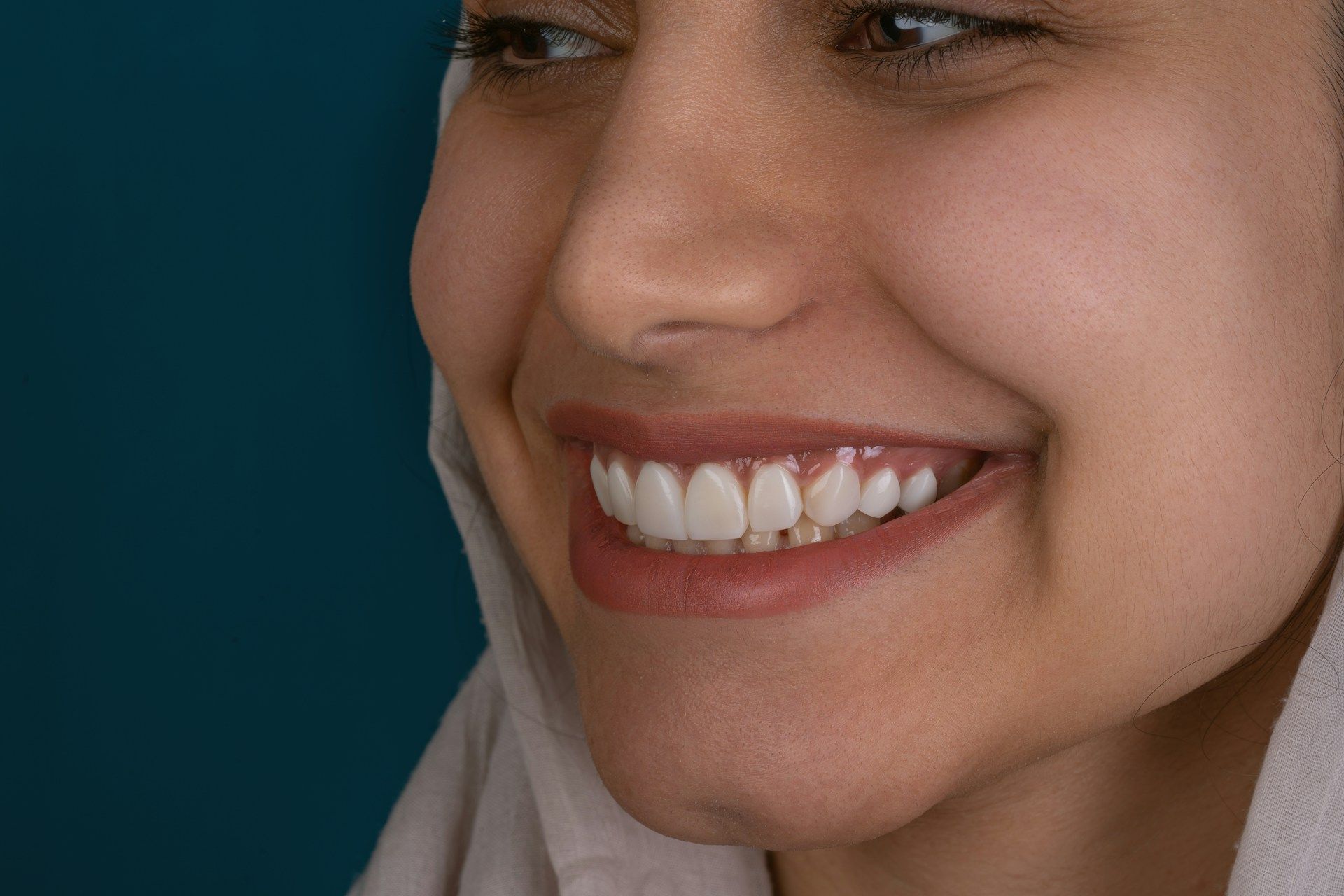
Keeping dental implants clean is one of the easiest ways to make sure they last and continue to feel natural in your mouth. When implants are well cared for, they blend into your everyday life without causing pain, swelling, or gum changes.
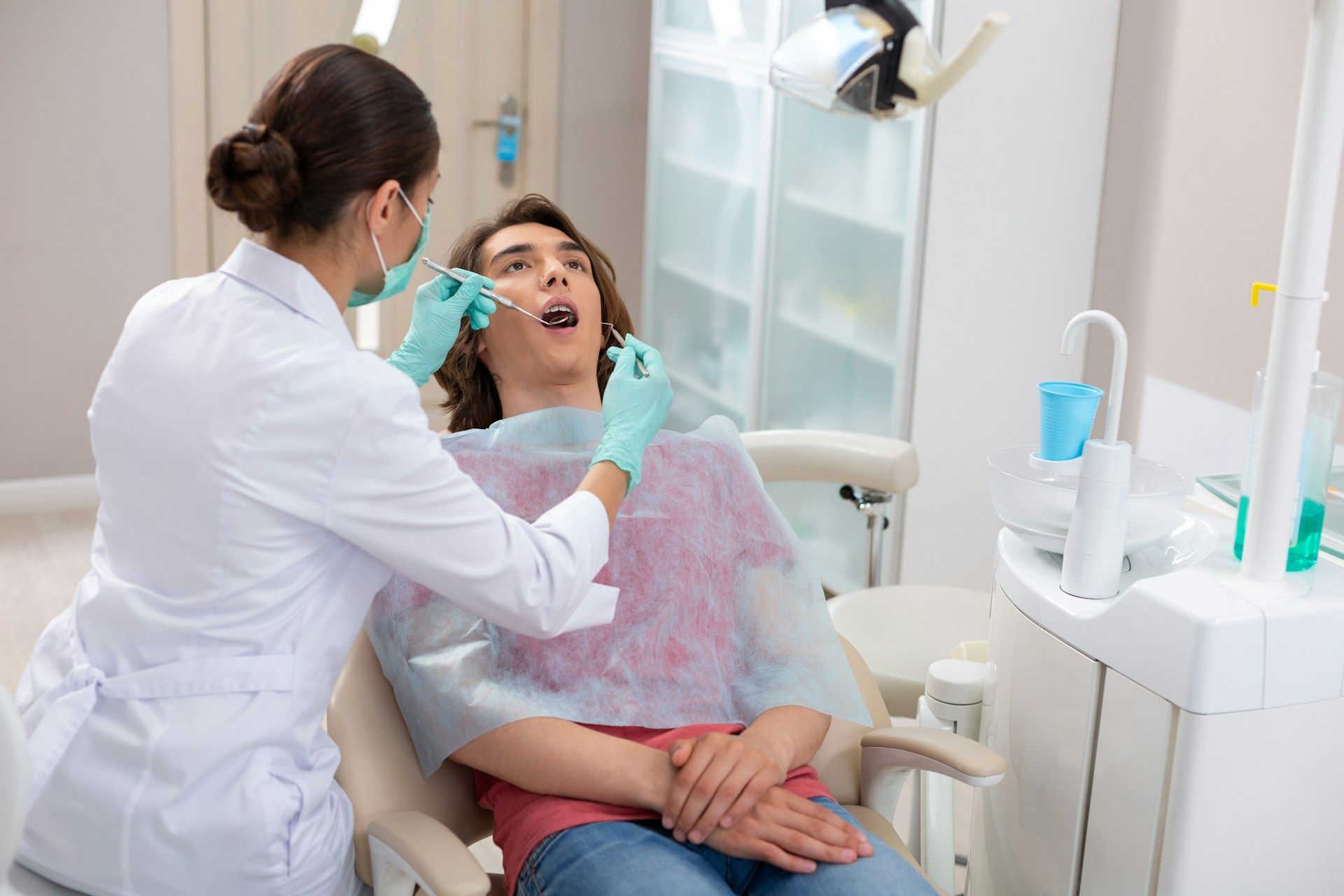
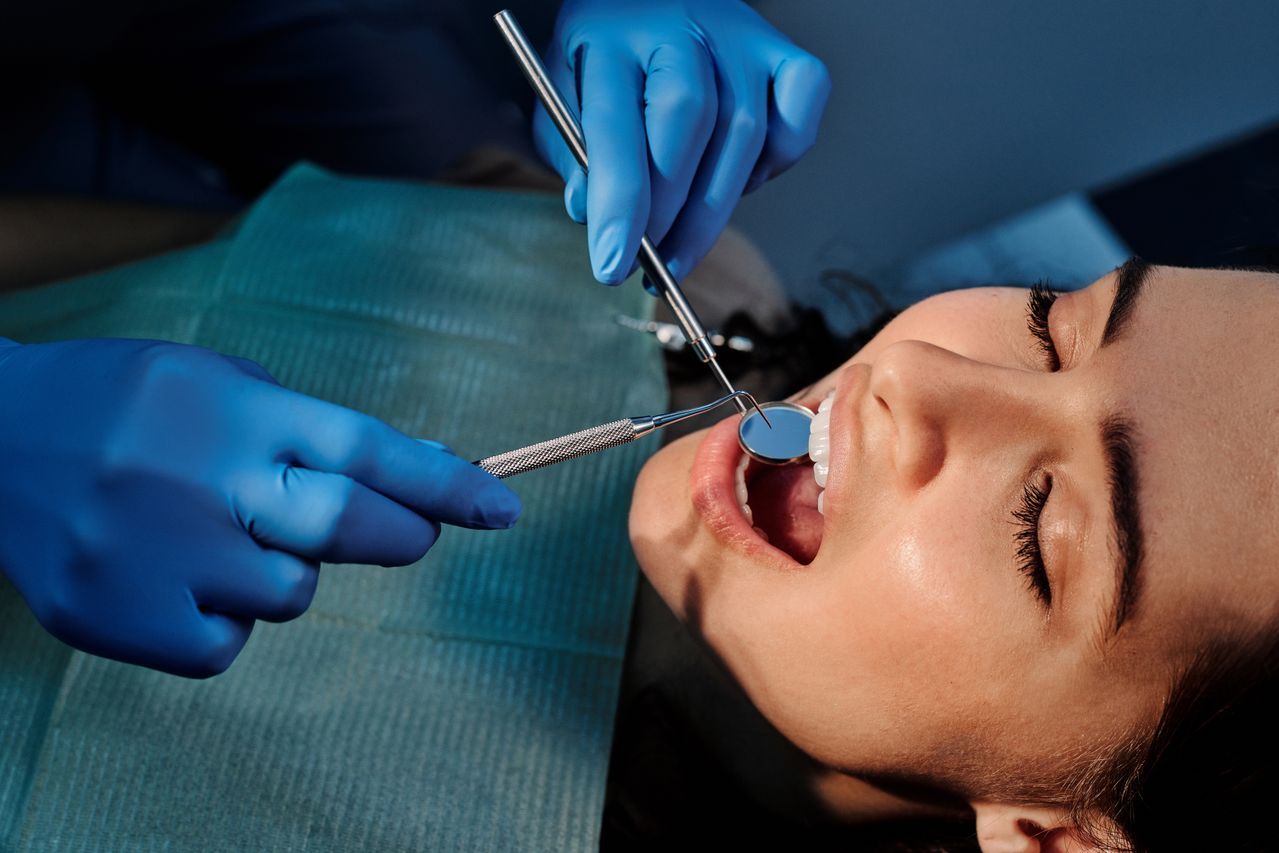
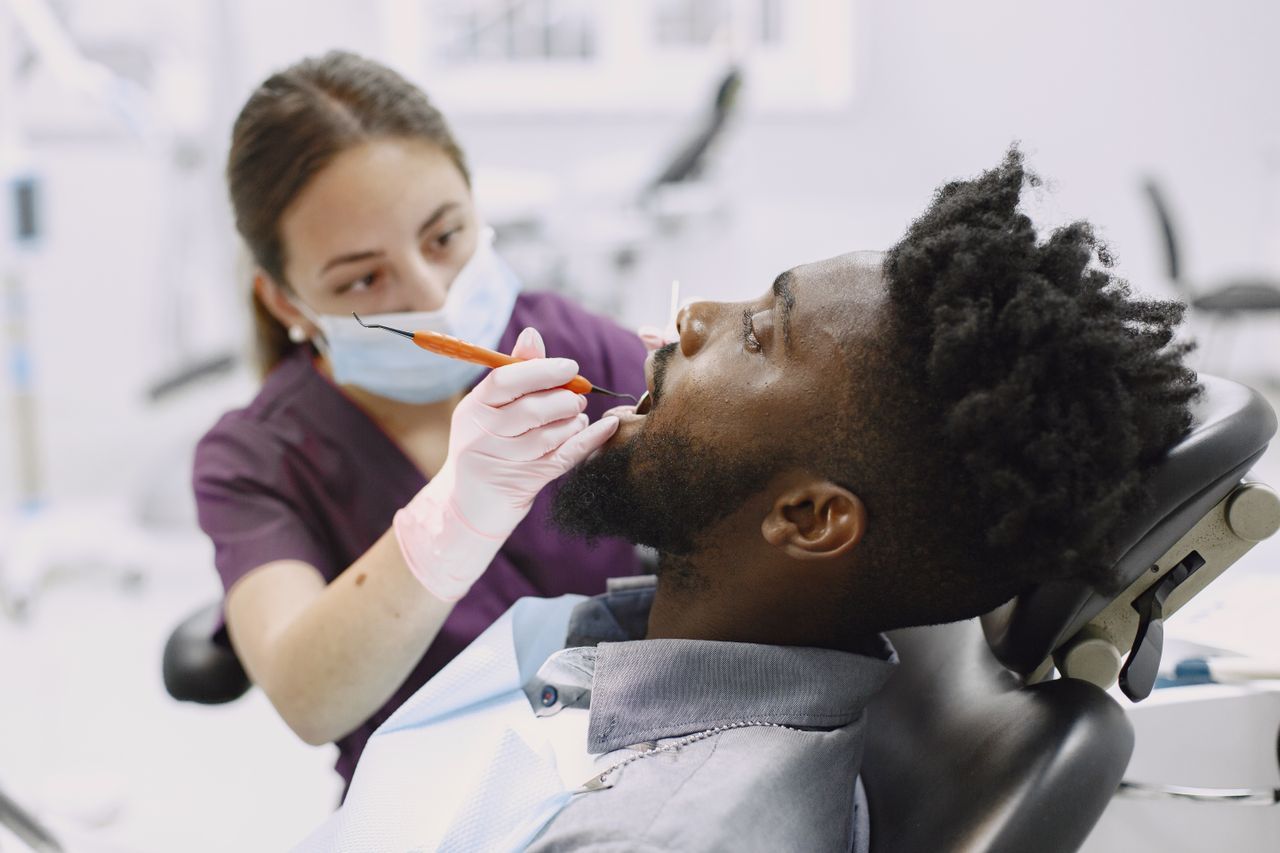
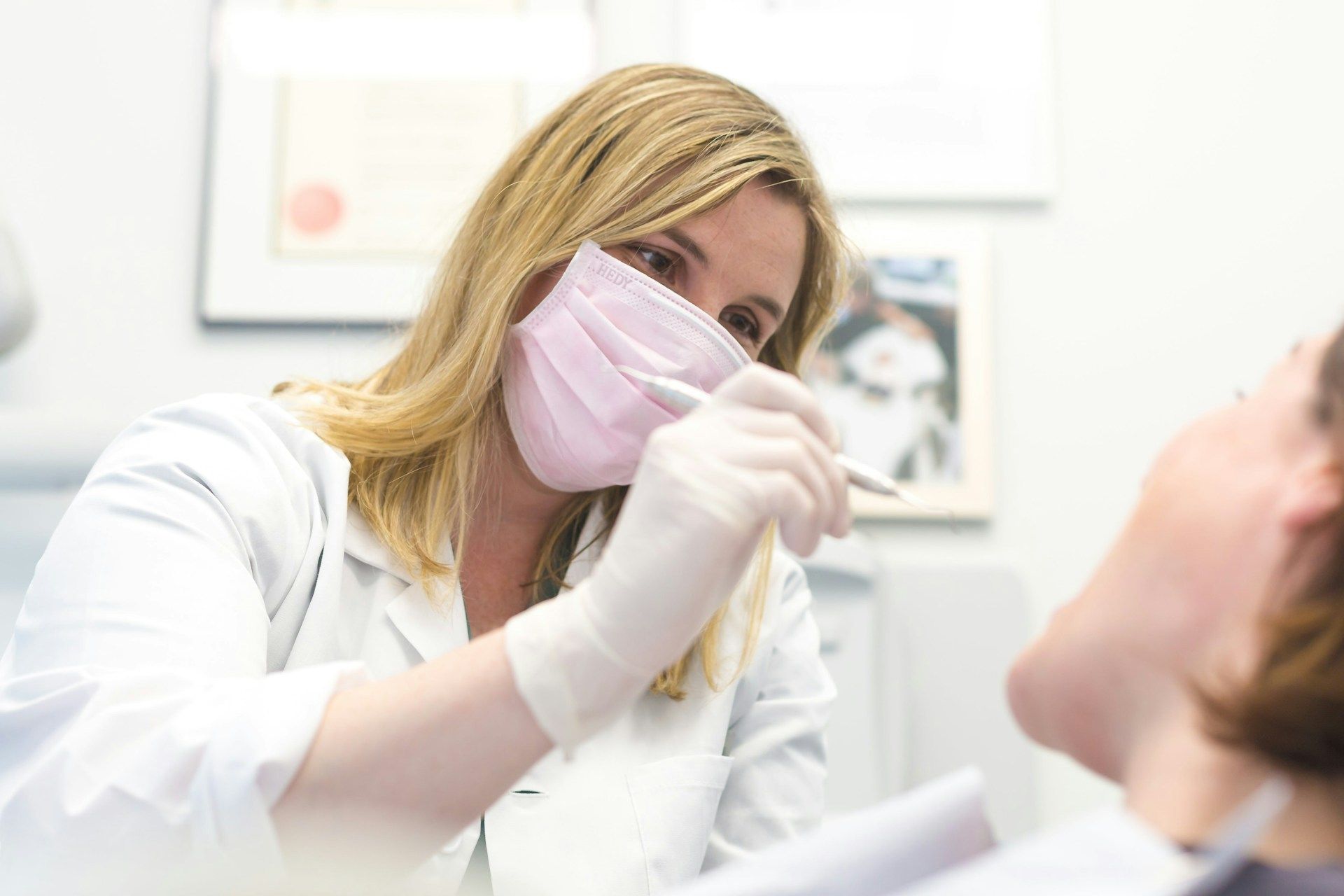
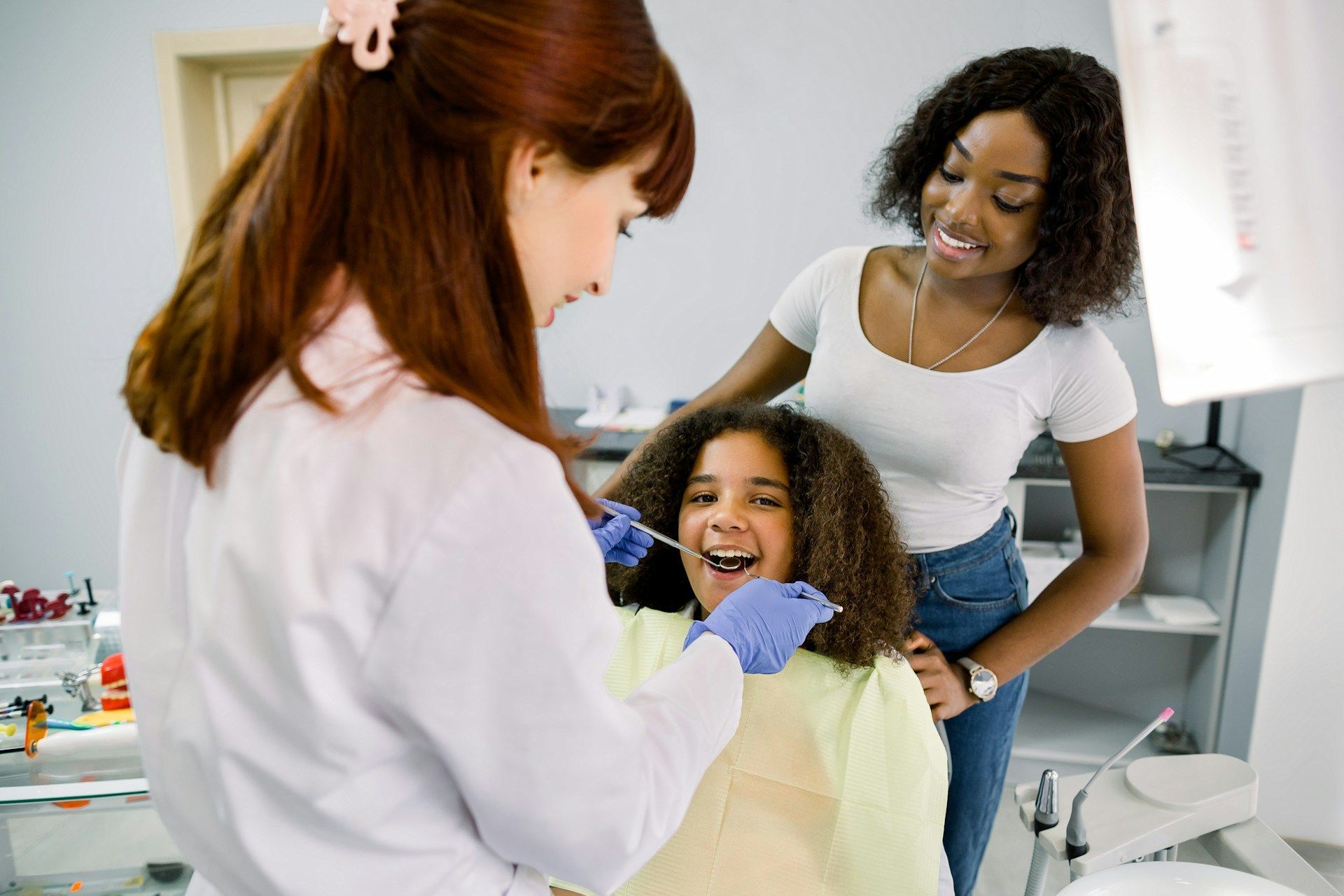
If you’ve had a professional dental cleaning in Lynn, MA, you probably noticed the extra focus placed on the area around your implant. That’s because buildup, if left over time, can lead to irritation or even infection. During these visits, professional tools remove plaque and tartar that daily brushing at home cannot fully reach, especially along the gumline. The good news is that simple steps at home go a long way. With the right tools and habits, caring for your implant doesn’t feel like a burden. It just becomes part of keeping your smile healthy.
Everyday Cleaning Routines for Dental Implants
Basic daily care helps implants stay steady and clean. Once healing is complete, they don’t need any special or complicated routine. But they do need attention, especially where the implant meets the gum. Here are a few habits that help:
- Use a soft-bristled manual or electric toothbrush twice a day. It's important to clean along the gumline but not scrub too hard. Scrubbing can make gums pull away and expose more of the implant.
- Choose non-abrasive toothpaste without strong polishing agents. Abrasive kinds can scratch the crown surface, which makes it easier for plaque to stick.
- Clean gently between the teeth using implant-safe floss or an interdental brush. Regular string floss might cut into sensitive gum tissue around implants, so pick tools made for implant care.
Over time, these habits help form a strong defense against gum disease and bone loss. They don’t just protect the implant. They keep the rest of your mouth healthy too. These daily practices build over time, helping to keep not only the implant area but also the surrounding gums and teeth in great condition.
Foods and Habits That Help or Hurt
What you eat and how you use your mouth during the day can affect the life of an implant. There is no reason to feel limited by food choices, but it helps to avoid items that cling or press too hard on the implant.
Look out for things like:
- Sticky foods that get trapped under the crown or near the gum
- Crunchy snacks that put too much pressure on nearby teeth if chewed carelessly
- Sugary foods and drinks, especially if brushing doesn’t happen soon after
Good habits make a big difference as well. Drinking water through the day helps rinse your mouth after meals. It resets the environment before bacteria build up. If you tend to grind your teeth when stressed or while sleeping, it's worth paying attention. That pressure adds up fast and can damage both natural and dental work. Chewing ice is another habit that sounds harmless but stresses the implant more than you may realize.
Most of these changes are easy once you’re aware of them. The goal isn’t to make your life harder. It’s just to avoid damage that sneaks up slowly. Paying attention to both foods and habits can help maintain a strong oral balance, which supports both your implants and your natural teeth throughout the day.
Signs Your Implant May Need Extra Attention
Sometimes, even with good care, something can feel off. Small changes around an implant shouldn’t be ignored. If caught early, they’re often easier to treat. So if something feels different, it’s better to speak up sooner than wait.
Here are a few things to keep an eye on:
- Swelling or redness at the gum right around the implant (this shouldn’t stick around after the healing period)
- A bad taste or smell that lingers, even after brushing
- A slight wobble or shift in how the implant feels when chewing
These signs don’t always mean something serious is wrong, but they deserve a look. We see this often during regular visits and can usually pinpoint what’s going on with a quick check. Monitoring these signs and addressing small changes early ensures that you maintain a comfortable and stable implant experience.
How Professional Cleanings Support Implant Health
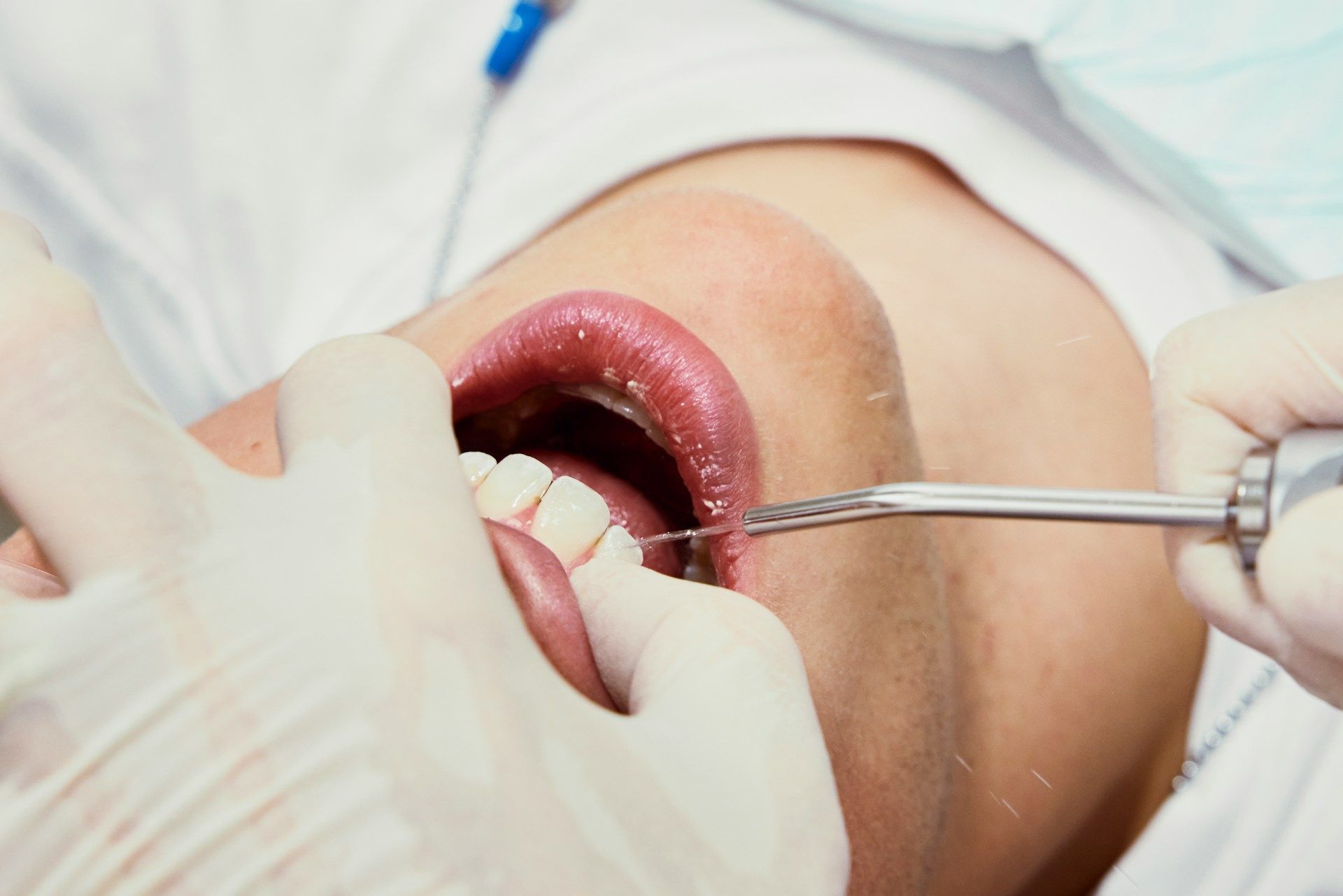
No matter how careful your home routine is, regular cleanings add a layer of protection. A professional dental cleaning in Lynn, MA, helps remove buildup in spots that are hard to reach at home. That includes the gumline and along the back of implants.
Professional visits aren't just about polishing. They allow us to:
- Spot gum changes before they lead to deeper issues
- Make sure the implant and crown still fit and sit properly
- Remove plaque from areas your brush and floss might miss
Even just a tiny gap near the implant can end up trapping bacteria. By checking regularly, small issues never have a chance to become large ones. That’s where cleanings add real value. Checking in doesn’t take long and keeps your implant in a healthy environment. Regular appointments create a partnership between home care and expert cleaning, offering extra reassurance that your implant will continue to perform well.
Long-Term Payoff: A Healthy Smile Year After Year
Dental implants are made to last for decades, but that only happens when the surrounding areas stay healthy. Long-term success depends less on how the implant was placed and more on how you treat it after it heals.
Choosing to build these habits upfront saves you time and stress later. Brushing, flossing, and scheduling cleanings aren’t just chores. They’re what keep your smile solid and your mouth feeling its best. Implants can be part of your life for many years when they’re cared for in simple, consistent ways. We’ve seen how far a little upkeep can go. With steady home routines and regular visits, implants stay strong, stable, and easy to forget about, in the best way possible. This ongoing commitment to care is a smart way to ensure that your smile remains bright and healthy for many years ahead.
Keeping implants clean at home is just one part of the picture. Regular checkups help catch small issues before they turn into something more serious. If it’s been a while since your last
dental cleaning in Lynn, MA, we’re here to help keep everything on track. At Seaport Family Dentistry, we make these visits simple and comfortable. Give us a call to schedule your next appointment.