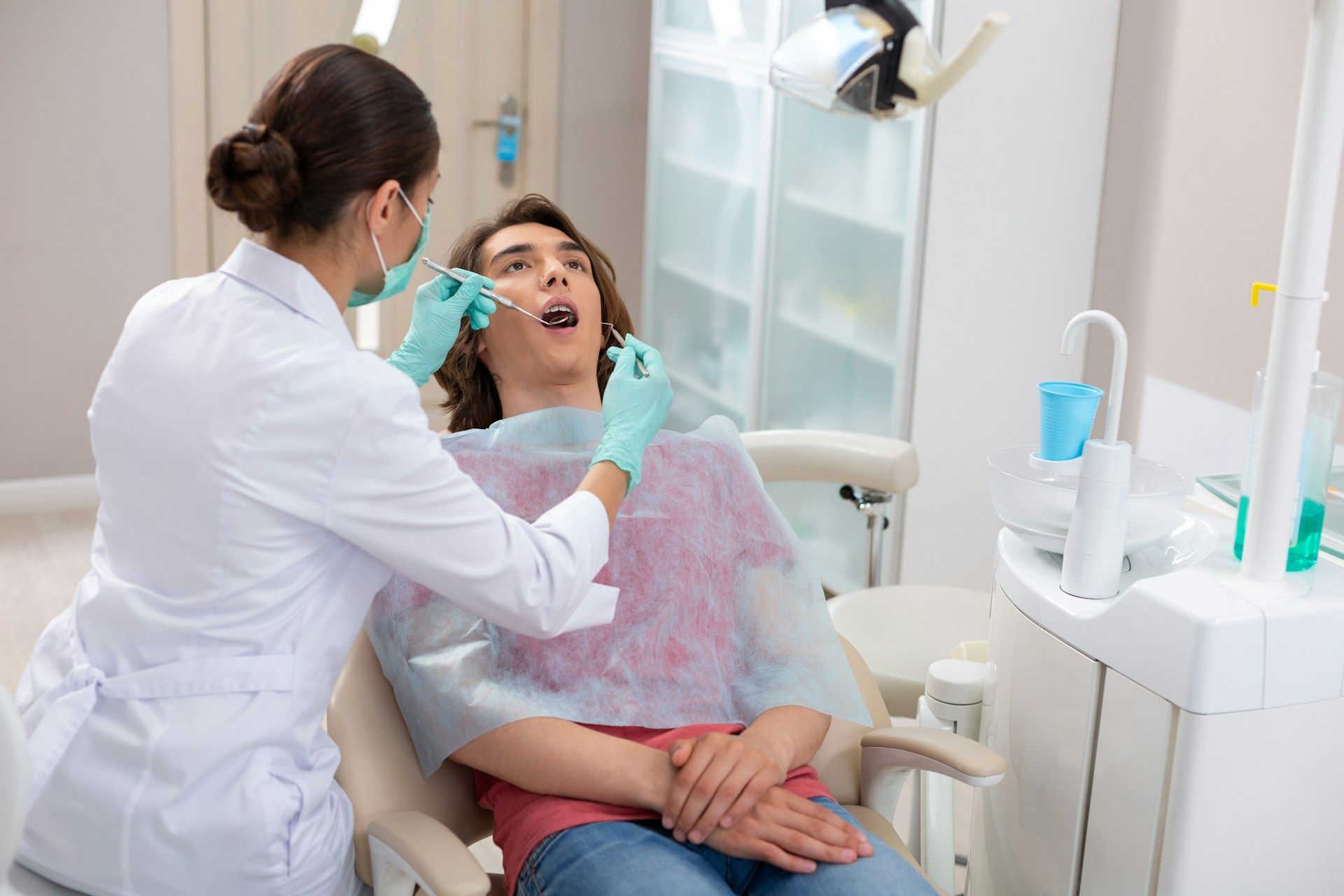
Learn the truth behind common crown misconceptions and what to expect from a dental crown procedure in Lynn with comfort focused, personalized care for all ages.
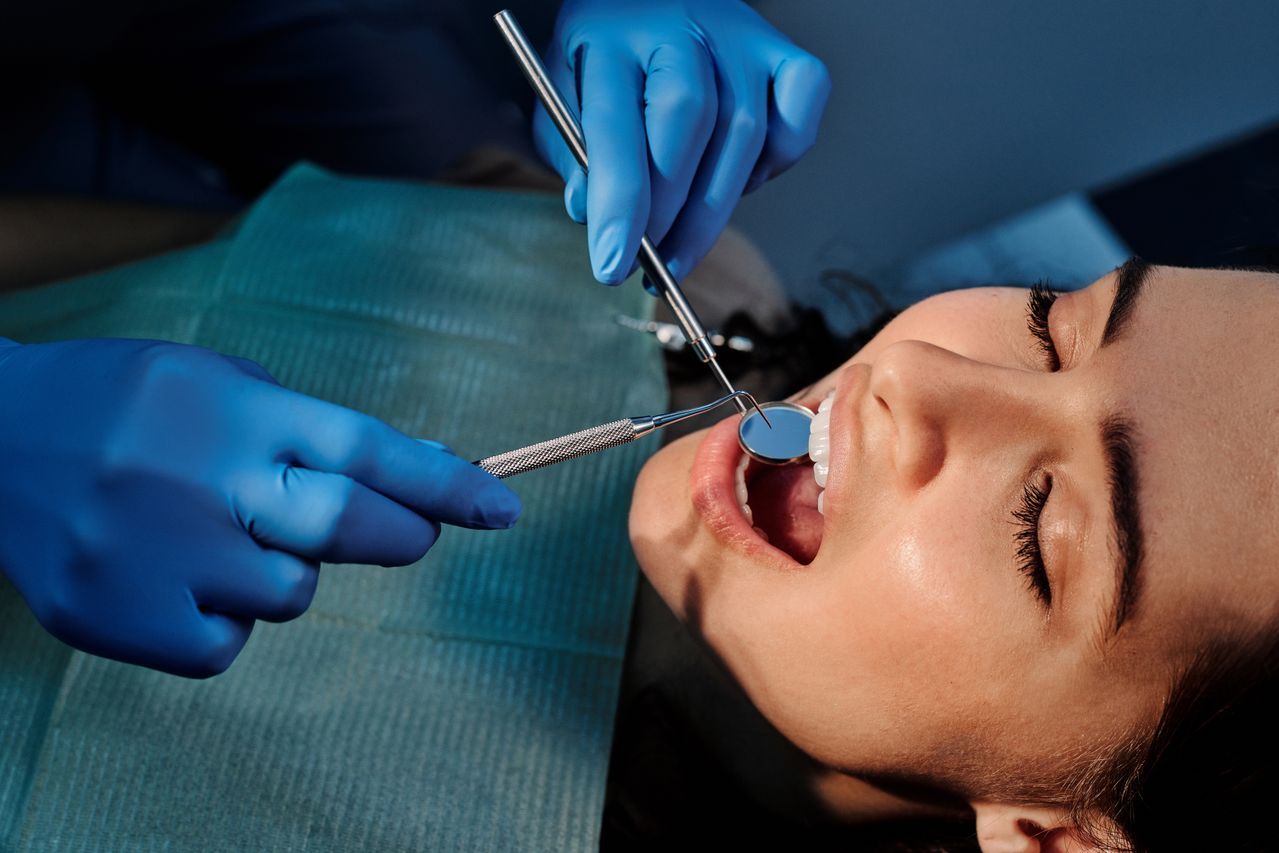
Find an affordable dentist in Lynn, MA by comparing prices, insurance, reviews, and care quality to get reliable treatment on a budget.
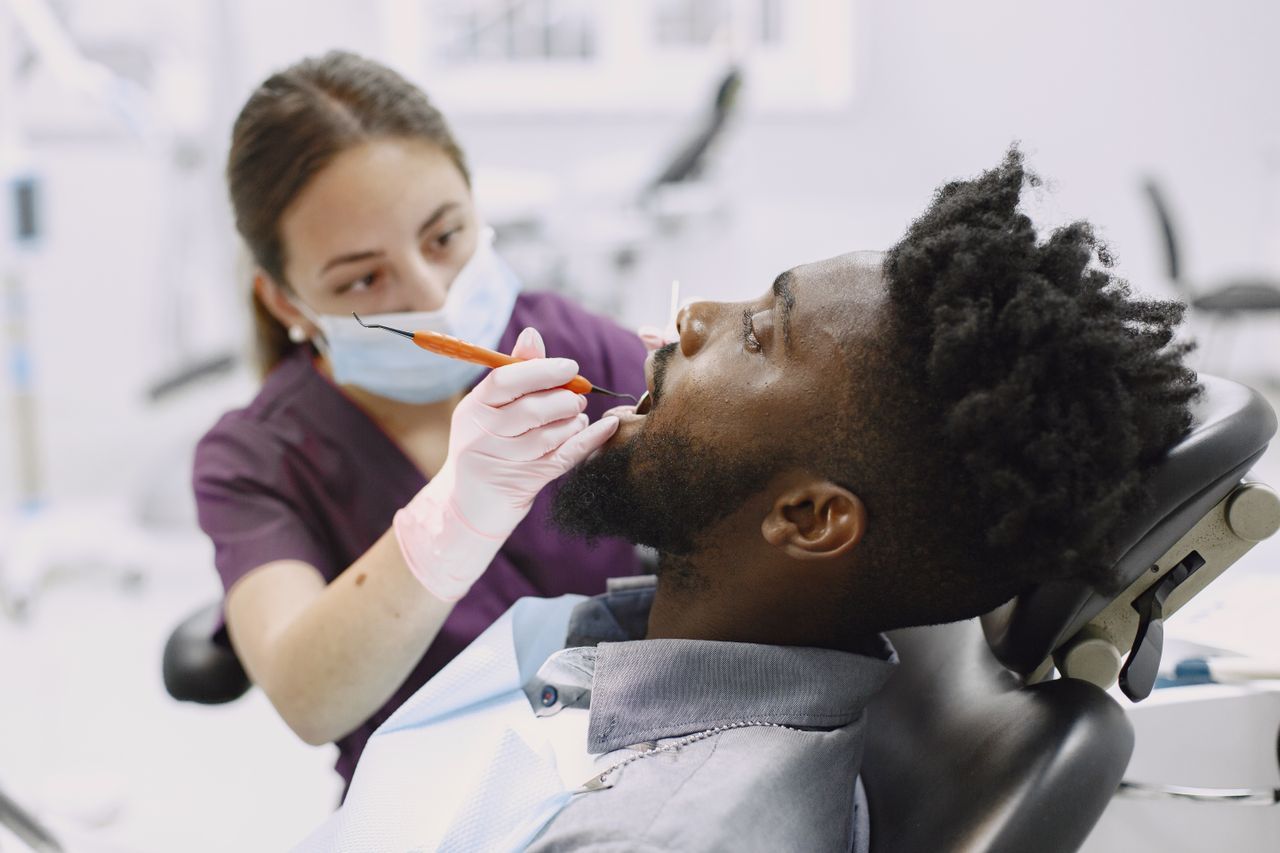
Learn what affordable dentist in Lynn, MA options include, from cleanings and fillings to emergency visits, and how to choose care that fits your budget.
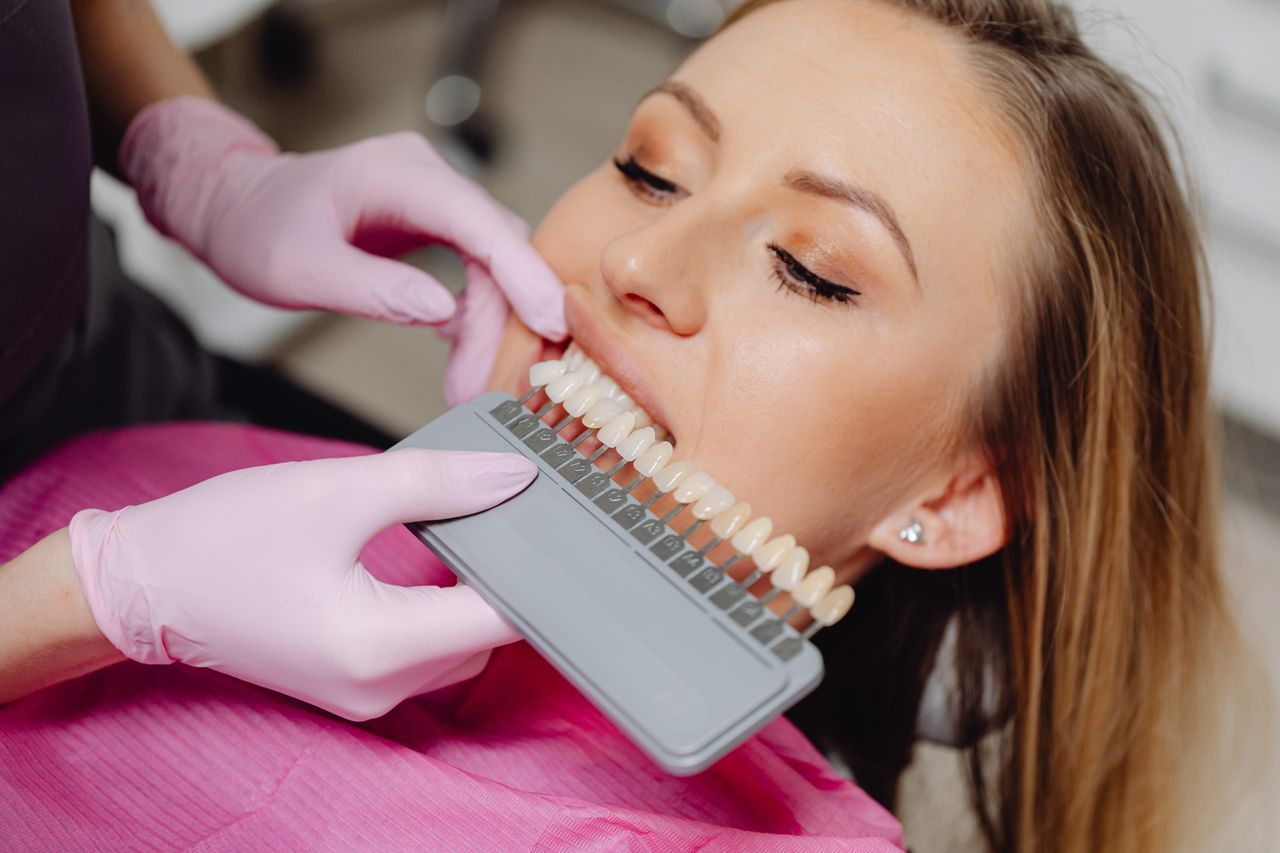
Learn what to expect, benefits, and care tips for Dental veneers in Lynn, MA to help you choose a natural looking smile makeover with ease.
Schedule a dental checkup in Lynn, MA this summer to catch cavities early, protect smiles, and start the school year with confidence and comfort.
Learn what to expect, comfort options, and aftercare tips for tooth extraction in Lynn, MA so anxious patients can feel calm and prepared.
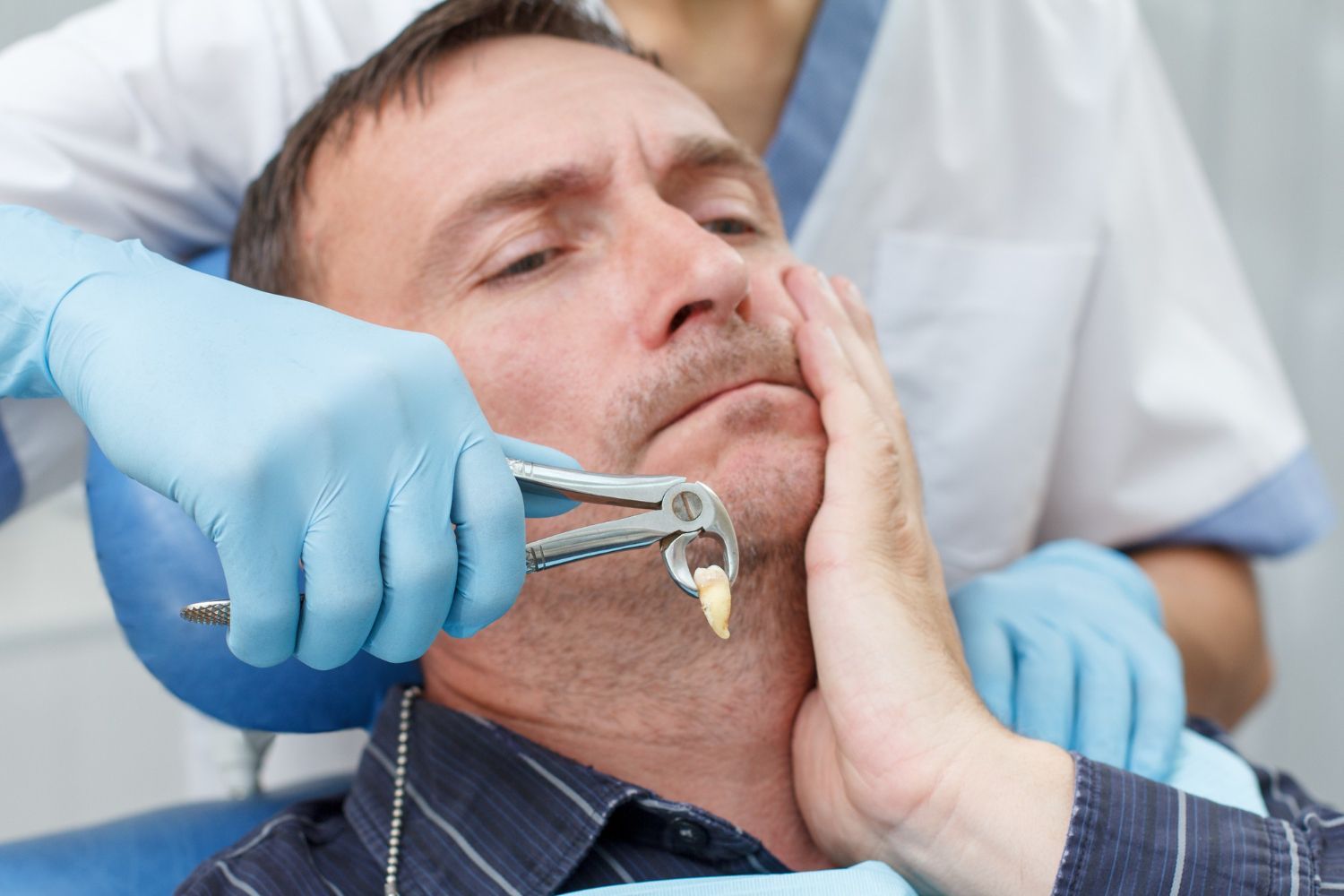
Learn key questions to ask before a tooth extraction in Lynn, MA, including risks, alternatives, recovery, and what to expect at your visit.
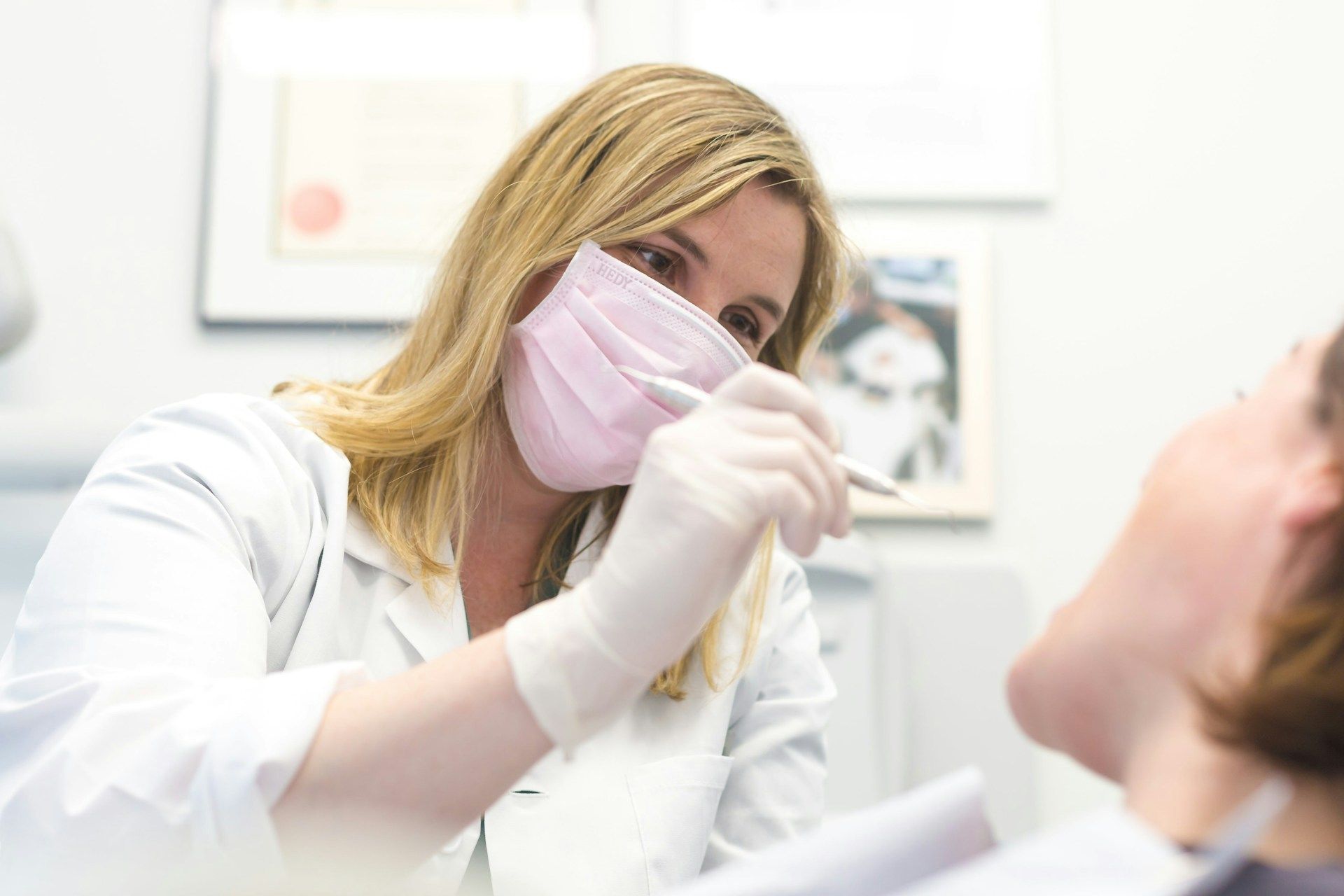
Learn each step of a dental exam in Lynn, MA, including X-rays, gum screening, oral cancer check, cleaning, and tips to prepare for your visit.

Use this practical checklist to compare a family dentist in Lynn, MA by services, insurance acceptance, office hours, and emergency care options.
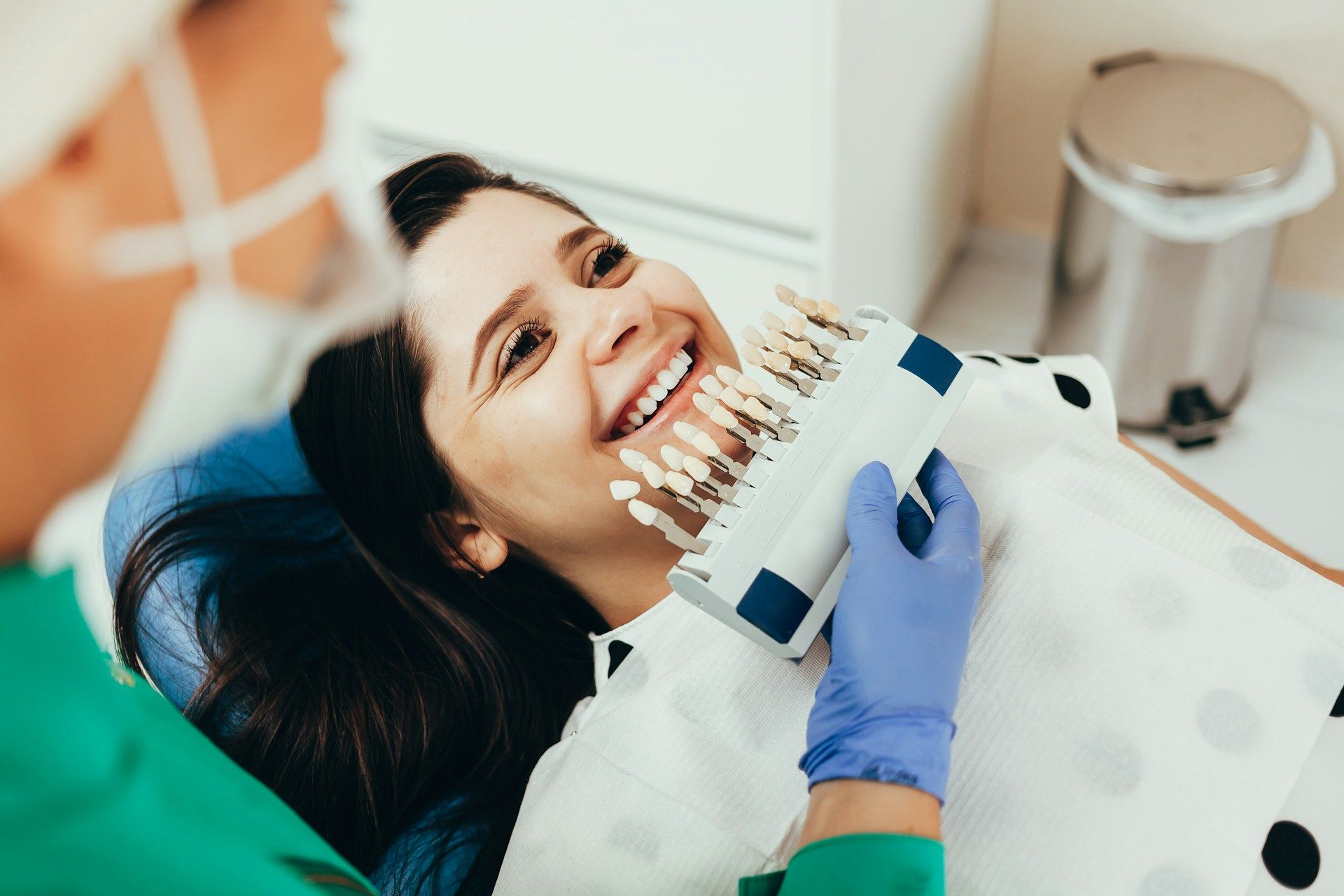
Upgrade Your Smile with the Right Restorative Option Choosing how to improve your smile can feel confusing. Many people are not sure if they need a dental crown or if dental veneers are enough to get the results they want. Both options can repair teeth, improve appearance, and help you feel more confident when you smile. As summer winds down and schedules pick back up, this is a common time for patients in Lynn, MA, to ask about these treatments. In this article, we will explain what crowns and veneers are, when each one makes sense, the pros and cons of both, and how a dentist can help you decide which option fits your goals, your long-term oral health, and your budget. Understanding Dental Crowns and When They Make Sense A dental crown is a tooth-shaped cap that covers the entire part of the tooth you can see above the gumline. It is designed to restore strength, shape, and function when a tooth is badly damaged or weakened. Crowns are usually recommended when a simple filling is not enough. Common reasons someone might need a crown include: A tooth with a very large cavity A cracked or broken tooth A tooth that has had root canal treatment A tooth with a very large or failing filling A tooth injured during sports or an accident Crowns can be made from different materials, such as porcelain, porcelain fused to metal, or zirconia. Modern crowns are made to match the color and shape of your natural teeth, so most people will not notice which tooth has a crown. At a practice like ours, the crown process usually includes: A full exam and X-rays to check the tooth and roots Numbing the tooth and reshaping it so the crown can fit over it Taking impressions or digital scans to design your custom crown Placing a temporary crown while the final one is made Bonding or cementing the final crown at a follow-up visit Crowns are popular because they: Offer strong protection for chewing Cover and seal the whole tooth Can last many years with good care Improve both the look and function of damaged teeth What Dental Veneers Are and Who They’re Best For Dental veneers are thin shells, usually made of porcelain, that bond to the front surface of your teeth. They do not cover the whole tooth like a crown. Instead, they are focused on changing how the tooth looks from the front when you smile. Late summer and early fall can be a popular time for people in Lynn, MA, to explore dental veneers if they want a refreshed smile before school photos, social events, or work gatherings. Veneers are often a good choice for teeth that are mostly healthy but do not look the way you want. Veneers can help improve: Stubborn stains that do not respond well to whitening Chipped or worn edges on front teeth Small gaps between teeth Slightly crooked or uneven teeth Teeth that look too small or uneven in shape The veneer process often includes: A consultation to talk about your smile goals Photos and sometimes a digital preview of possible results Light reshaping of the front surface of the teeth Impressions for the dental lab to make your veneers Bonding the custom veneers in place at a later visit Veneers have several advantages, such as: A very natural, bright appearance Only a small amount of enamel is removed compared to crowns Porcelain that resists stains better than natural enamel The ability to change the look of several front teeth in a short time Crowns vs. Veneers for Appearance, Strength, and Cost Crowns and veneers can both change your smile, but they work in different ways. A crown covers the entire tooth, front and back, so it offers more protection and strength. A veneer covers only the front surface, so it is best for teeth that are strong and healthy underneath. In general: Crowns are more restorative, used to protect weak or damaged teeth Veneers are more cosmetic, used to improve the look of healthy teeth Both crowns and veneers can be color-matched so they blend in with your smile. Veneers often give more control over the final shade and shape, especially for people interested in dental veneers in Lynn, MA to create a brighter, more uniform look across several front teeth. Longevity depends on many factors, including: How much natural tooth structure remains Whether you grind or clench your teeth Your bite and how your teeth come together Your daily habits and oral hygiene A full exam is important so your dentist can look at your bite, your enamel, and any signs of grinding or clenching. This helps predict how long each option is likely to last in your mouth. When it comes to cost, crowns are often recommended for medical reasons, like severe decay or fractures. In those cases, they may be more likely to receive some help from dental insurance. Veneers are usually considered cosmetic, so they are less likely to be covered. A good dental team will explain the expected fees, review your benefits if you have them, and walk you through payment options in a clear way. How Your Lynn Dentist Helps You Decide Choosing between crowns and veneers is not something you need to figure out on your own. A trusted Lynn dentist will start with a full evaluation and a relaxed conversation about what you want from your smile. That process may include: A complete oral exam and digital X-rays when needed A review of your dental and medical history Checking your bite and jaw movement Looking for signs of grinding or clenching Talking about your cosmetic goals, lifestyle, and budget Based on this information, your dentist will explain whether crowns, veneers, or a mix of both makes the most sense. For example, some patients do best with crowns on heavily damaged teeth and veneers on nearby teeth, so the whole smile looks natural and balanced. A calm, family-friendly office will focus on comfort and clear explanations at every step. The goal is long-term oral health and a smile that works well for your daily life, not just a quick fix for photos. Having a local, dependable practice to provide crowns and dental veneers in Lynn, MA also means you can get follow-up care, adjustments, and regular checkups close to home. Take the Next Step Toward Your Best Smile in Lynn If you are unsure whether crowns or veneers are right for you, the best place to start is with an in-person conversation and exam. Bring your questions, any past dental records if you have them, and a few clear goals, such as whiter teeth, fixing chips, or closing spaces. At Seaport Family Dentistry, we are here to help you understand your options and choose the path that feels right for you. With thoughtful planning and a caring team, you can head into the busy seasons ahead with a healthier, more confident smile. Transform Your Smile With Custom Veneers Today If you are ready to address chips, gaps, discoloration, or uneven teeth, we are here to help you explore dental veneers in Lynn, MA tailored to your goals. At Seaport Family Dentistry, we take time to understand what you want your smile to look and feel like so your results are natural and long-lasting. Reach out to our team with questions or to schedule an appointment through our contact page .