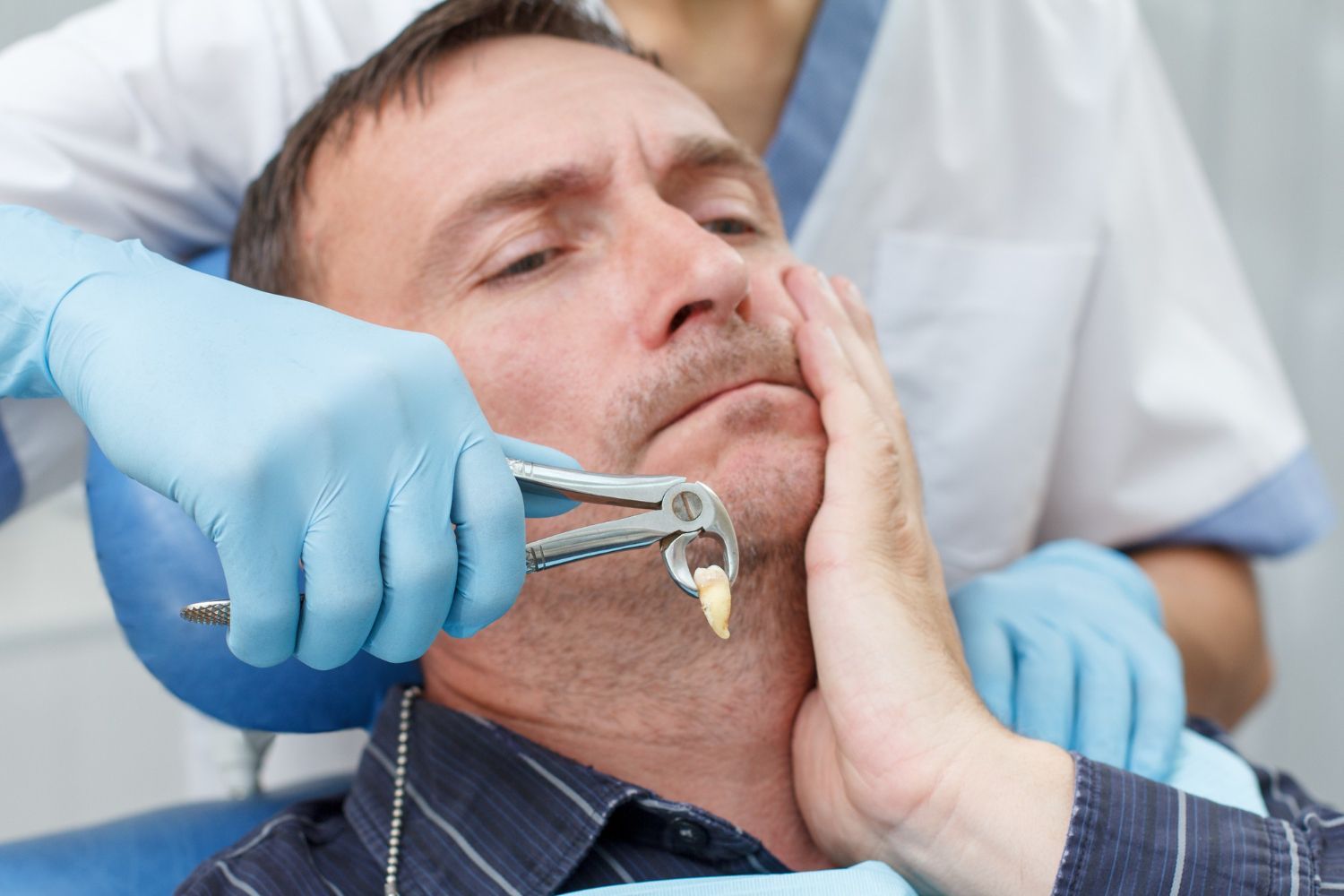
When a tooth goes missing, we often think about how it affects our ability to chew or smile. But there is something deeper going on. Underneath the surface, the jawbone starts to weaken once it no longer has a tooth root to support. This slow loss of bone can create lasting problems. A dental implant specialist in Lynn can explain how implants replace not only the visible tooth, but also protect your jaw from this kind of change.
Dental implants are more than a cosmetic fix. They connect with the bone in a way that helps keep things strong and stable. Over time, that connection plays a key part in keeping the jaw natural and healthy. Understanding how this all works can help you plan better if you have experienced tooth loss.
How Tooth Loss Affects the Jawbone
When natural teeth are in place, their roots do more than just anchor the tooth. They press gently into the jawbone every time we chew or bite, and that signals the body to keep replacing old bone with new growth. Without that signal, bone density begins to drop.
The body assumes that spot is no longer in use, and so it slowly pulls back support. That is why jawbone shrinkage happens after losing a tooth. Over time, the skin and muscles around the mouth can appear sunken, and the alignment of your bite may change.
These shifts can create issues such as:
- Difficulty chewing or speaking
- Uneven wear on remaining teeth
- Increase in decay or damage to neighboring teeth
What starts as a single lost tooth can turn into a larger problem if bone loss sets in early and is not addressed.
How Dental Implants Support Bone Density
Unlike bridges or dentures that sit above the gums, dental implants are placed right into the jaw. They work like artificial roots and blend naturally with the bone. This process, called osseointegration, is the part that helps the bone hold its shape over time.
Once the implant is placed and healing starts, the bone around it responds much like it would to a natural tooth. It begins to rebuild and strengthen around the implant, locking it in place. That ongoing contact between the implant and bone keeps signaling the body that this spot is still active and needs to be supported.
So instead of the jawbone pulling back, it has a reason to stay put.
Time and Healing: Why Sooner Can Be Better
After a tooth is lost, the longer the bone stays unsupported, the more it can shrink back. In some cases, the damage can begin within months. That is why placing implants early can make treatment simpler.
If the implant is placed early, while the bone is still healthy, it is easier to get a strong fit. The implant heals in place, locks in with the jaw, and continues to protect everything nearby.
When we work with a dental implant specialist in Lynn, we help walk patients through the right timing. That can include looking at images to understand how much bone is still in place, and planning placement without rushing recovery. If the area is ready, early support can make everything heal more naturally.
Beyond Looks: The Functional Benefits of a Strong Jaw
A strong jaw is not only about appearance. It helps hold the remaining teeth in place and keeps day-to-day tasks like chewing and speaking comfortable.
When bone strength drops, it can affect:
- How solid nearby teeth feel when you bite
- Your ability to eat certain foods without discomfort
- Changes in speech from shifting teeth or sagging muscles
Dental implants restore structure beneath the surface so your mouth functions naturally. The impact feels subtle at first, but adds up over the years. And because implants are built to hold firm, they are often more dependable than removable options.
What Makes Someone a Good Candidate for Implants
Not every patient is ready for implants right away. We have to look at a few things before moving forward.
- Is the person’s general health stable enough for surgery?
- How much bone remains in the area, and can it support the implant?
- Is there any sign of gum infection or bone loss that should be treated first?
Even if there has been some bone loss already, we might still be able to move ahead after rebuilding with a graft. Every step needs to be based on what makes sense for the person, not a one-size-fits-all approach. That is why planning with a trusted provider, and not putting things off, can make the process smoother and more successful.
Before proceeding with implants, it is important that patients engage in a clear discussion about treatment expectations and recovery time. Clear explanations from the provider help bridge any gaps in understanding about how implants work to improve bone retention over time.
Long-Term Protection for a Healthier Smile
Implants are some of the only options that truly support the jaw below the surface. They give the bone a reason to stay strong instead of slowly shrinking away with time. Placing a dental implant means you are planning for future health, not just filling a gap.
By backing the bone now, we help keep a natural shape in the mouth and keep chewing and speaking easier down the road. When we guide someone through implant treatment, it is not just about replacing a missing tooth. It is about helping the whole mouth stay healthier for the long haul.
Noticing changes in your bite or planning to replace a missing tooth may mean it is time to speak with a
dental implant specialist in Lynn. We carefully review your bone health, listen to your needs, and create a plan that works for you. Taking these steps can support your overall dental health now and in the future. At Seaport Family Dentistry, we are ready to help you feel confident about your next move. Give us a call today to schedule a consultation.