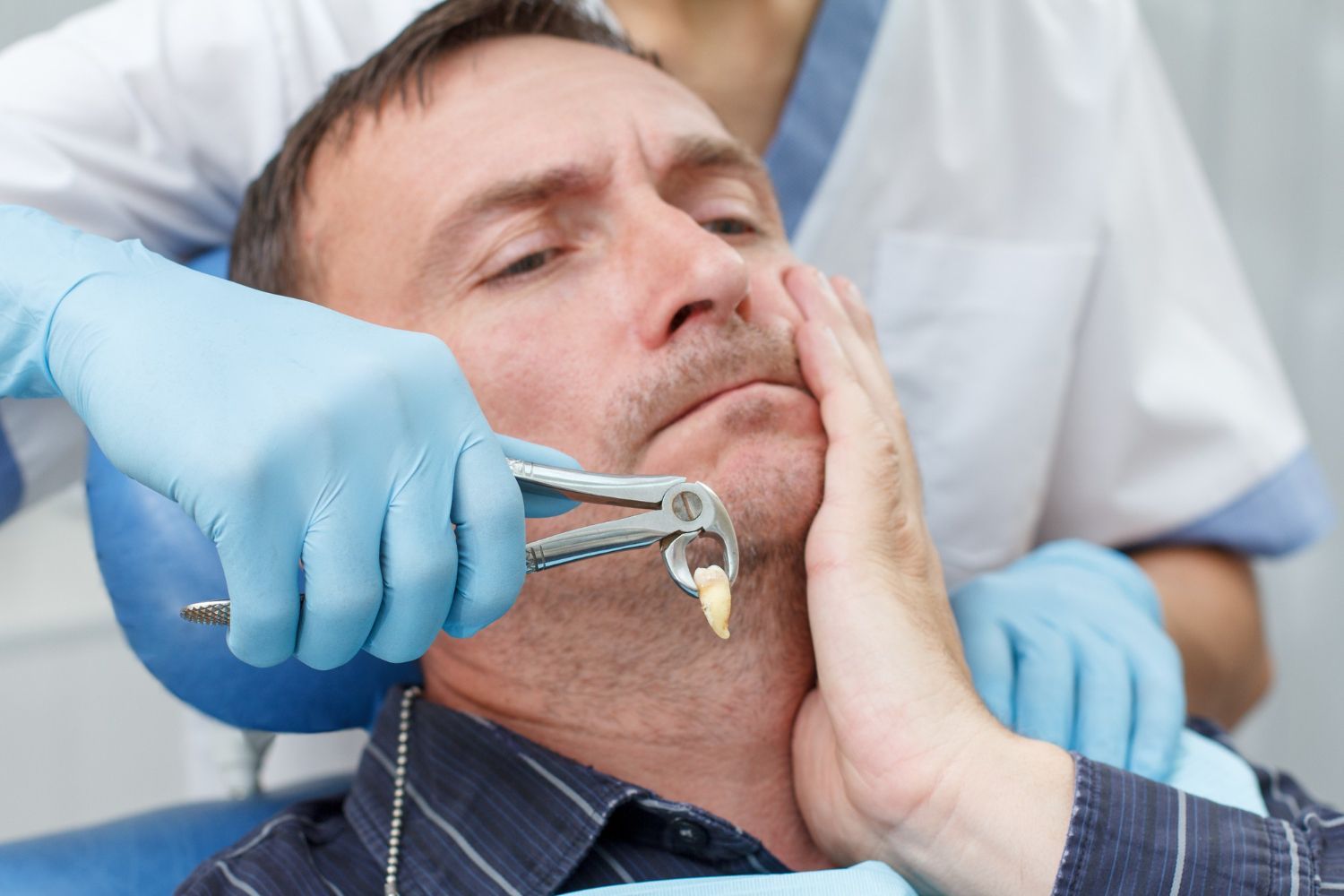
Getting dental implants in Lynn, MA, is a big step toward a stronger, more complete smile. The implant itself is a long-lasting solution, but the healing stage is just as important as the procedure. For anyone preparing for this type of surgery, knowing what to expect after can make all the difference.
Every recovery looks a bit different, yet most people follow a similar pattern of healing. Understanding those milestones can help lower stress and keep your progress on track. There are several signs your mouth is recovering well, and it helps to know when to expect them.
The First Week: What to Expect After Surgery
The first few days after surgery are the most tender. Your mouth is adjusting to the implant post, and the tissue around it is beginning to heal. Many people notice mild swelling, light bleeding, and some soreness during this stage. Rest and gentle care go a long way here.
To help with comfort and proper healing, we usually suggest the following:
- Stick to soft foods like oatmeal, yogurt, or mashed potatoes
- Use cold packs on the outside of your cheek for swelling
- Avoid brushing directly over the implant site for a few days
- Take any medication as instructed by your dentist
Some bleeding and tenderness are normal, but if pain gets worse instead of better, or if you notice signs of infection, it is a good idea to check in with your provider. Otherwise, most people start feeling a bit better as the week goes on.
Weeks Two to Four: Healing Below the Surface
Once the initial tenderness fades, the focus shifts from surface healing to deeper recovery. During this stage, your jawbone starts to slowly grow around the implant post. That slow process, called osseointegration, does not feel like much, but it is the part that helps the implant stay strong for years.
Patients often notice less discomfort by this point. Eating becomes easier, and the gums may look more settled. This is a great window to gently brush near the area again and continue warm salt rinses if recommended.
Here is what to focus on during this time:
- Keep brushing and flossing, but take extra care near the implant site
- Avoid chewing directly on the implant until your dentist says it is ready
- Show up to any check-ins so your healing can be monitored
Even though it feels like you are past the tough part, this quieter healing phase is just as important as the first week. Keep following your care plan closely.
One to Three Months After Surgery: Signs of Progress
This part of recovery can feel slow, but it is where real progress happens. Your jaw is continuing to adjust to the implant, and your dentist might schedule x-rays or checkups to make sure everything looks stable underneath.
For some patients, this is when temporary healing caps or abutments are added. These are small parts that stick out of the gum and prepare the area for the final crown. If this happens, it feels like one more step toward the finish line.
During this time, you may notice these signs that your mouth is adjusting well:
- Little to no discomfort while eating soft to medium foods
- Gums that look pink and healthy, with no swelling around the implant
- Growing excitement about finishing treatment with your final crown
Long-term healing may not look exciting every day, but small changes tell us the area is settling in correctly.
Beyond Three Months: Getting to the Final Step
Most people are ready to complete their treatment a few months after surgery. The dentist checks how solid the implant feels and may use images to confirm the bone has fully accepted the post. Everything needs to be strong before the last piece is added.
If the healing looks good, the next step is placing the final crown or bridge. This piece is custom-made to match the rest of your smile, and it fits securely onto the implant post that has now become part of your jaw.
Here is what to expect during the final stage:
- Careful shaping and adjustment of your crown for comfort and bite
- Clear instructions on how to clean around your new tooth
- Last follow-up visits to make sure everything stays on track
Patience really pays off in this phase. The final result is built to last, and the steps taken during recovery help that happen.
The End Result Feels Worth It
Recovering from dental implants might require patience, but steady progress leads to a strong result you can count on. With time, care, and regular check-ins, each stage of healing builds on the last. Taking it step by step makes the whole process feel more manageable. By knowing what to expect and sticking to your care plan, it is easier to stay calm and confident all the way through.
Throughout your recovery, it is important to listen to your body and follow your dentist's instructions carefully. Taking time to adjust to each new phase helps you feel more comfortable and secure. Simple routines like gentle brushing and using recommended rinses can support your progress every day. Extra patience during these healing stages ensures that each step leads to a stronger, more confident smile. This careful and steady approach plays a key role in achieving the full benefits of your implant procedure.
Thinking about a more secure smile starts with understanding the full process, including the healing period, how progress is measured, and what a successful outcome looks like. We have seen how planning, patience, and good care make all the difference for patients who get
dental implants in Lynn, MA, and at Seaport Family Dentistry, we are here to guide you through every step while answering all your questions. Give us a call to schedule a time to talk.