A dental crown acts like a cap that fits over a damaged or weakened tooth. It brings strength back to teeth that have lost structure and helps them look and feel like they used to. If someone in Lynn has a cracked tooth from biting into a hard candy or dealing with wear after years of grinding, this may be something we recommend.
Many people have questions about what actually happens during treatment or wonder if it's the right choice for them. That’s why taking time to understand the steps in a dental crown procedure in Lynn can help ease worry and help patients feel more confident about protecting their smile.
What a Dental Crown Does for Your Oral Health
When a tooth can’t keep up on its own anymore, a crown gives it backup. Crowns shield the part of the tooth that sits above the gums, stopping more serious damage before it can start.
• They help protect teeth that have been weakened by decay or restore strength after a large filling
• Crowns keep cracked or chipped teeth from getting worse and causing pain or infection
• After a root canal, a crown acts as armor for the tooth, helping seal and protect it from daily use
Strong chewing, temperature changes, and even talking put pressure on your teeth throughout the day. A crown helps a tooth survive that pressure for many years to come, often without needing extra attention.
Patients at Seaport Family Dentistry can choose from tooth-colored porcelain or durable gold crowns, with each option matched to both your health needs and your smile.
Common Reasons Your Dentist Might Recommend a Crown
Crowns aren't just for emergencies. They solve a mix of practical and cosmetic issues. Whether it’s a tooth that’s been through multiple small repairs or sudden damage, there are a few common reasons we might recommend one.
• Deep decay that’s beyond the help of a filling
• Cracked or fractured teeth caused by biting down incorrectly
• Worn-down teeth caused by grinding or long-term wear
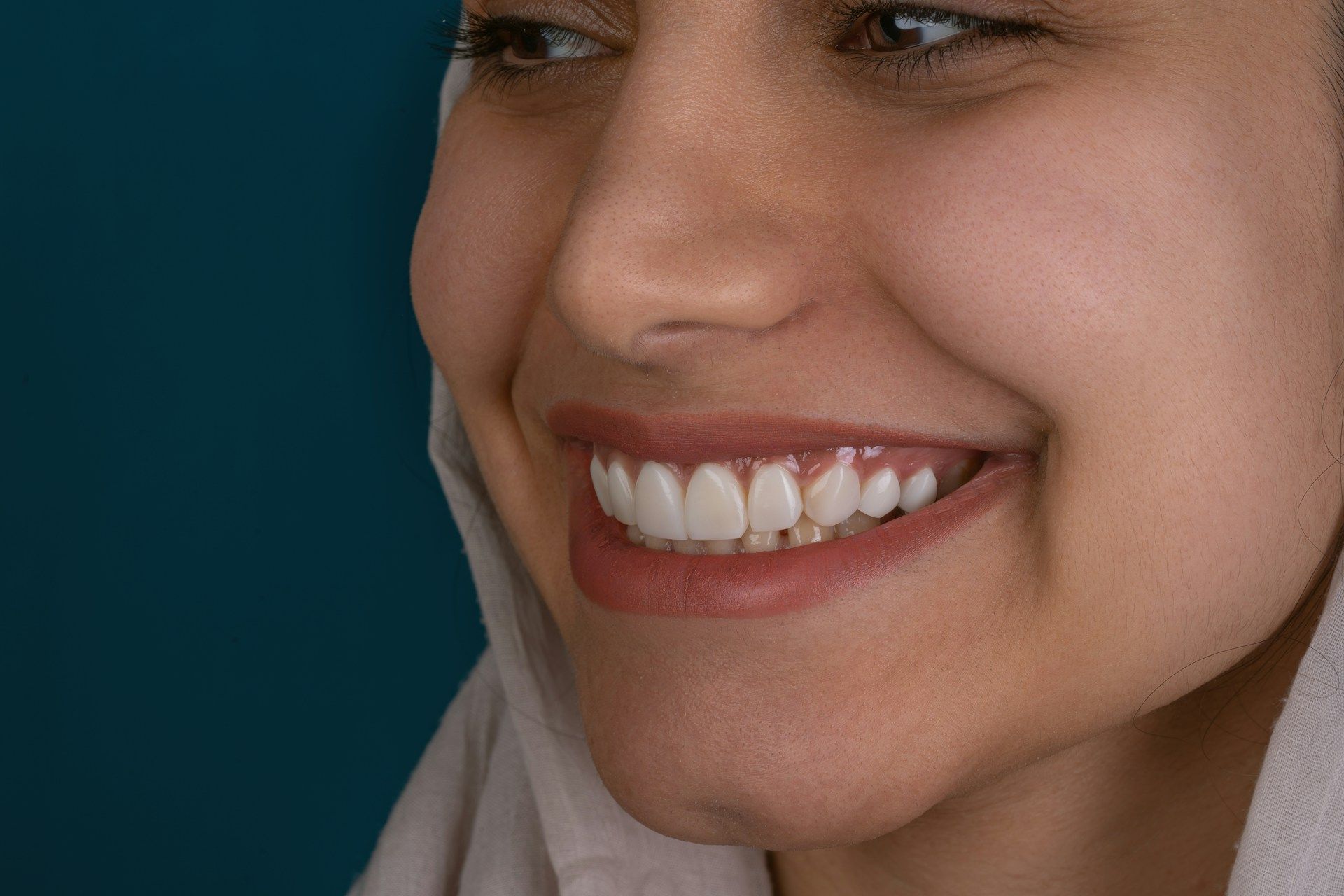
• Cosmetic improvements when a tooth looks out of place or discolored
These things can all catch up. Sometimes trauma from a small fall doesn’t show signs until weeks later. Crowns can offer a functional and natural appearance again, even after damage that took time to notice.
Crowns don’t last forever, but with regular care, many hang in there for years without problems. Brushing, flossing, and keeping up with appointments go a long way.
What to Expect During the Crown Procedure
Getting a crown is usually split into two visits, and there's no need to feel nervous; we take care of each step with comfort in mind.
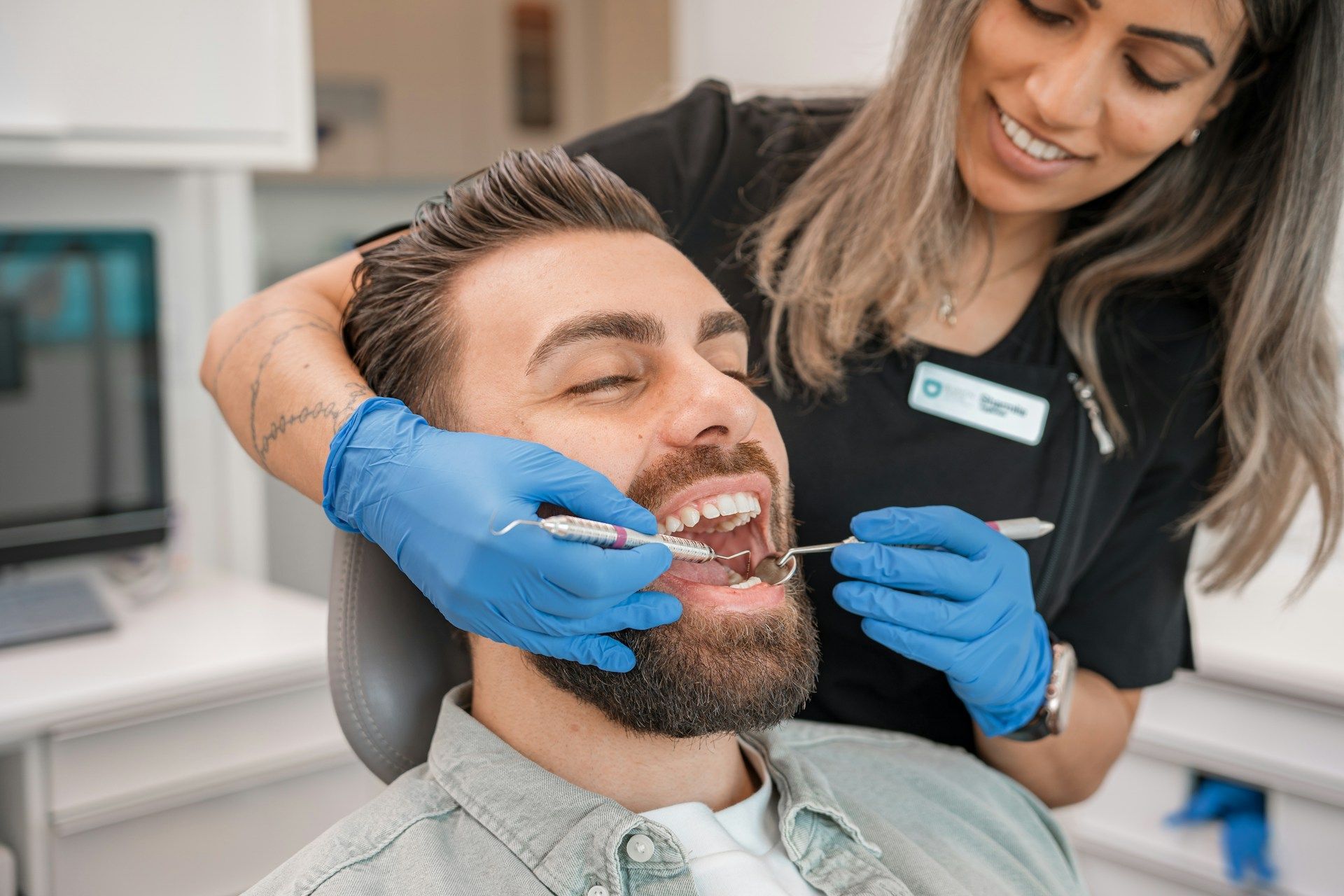
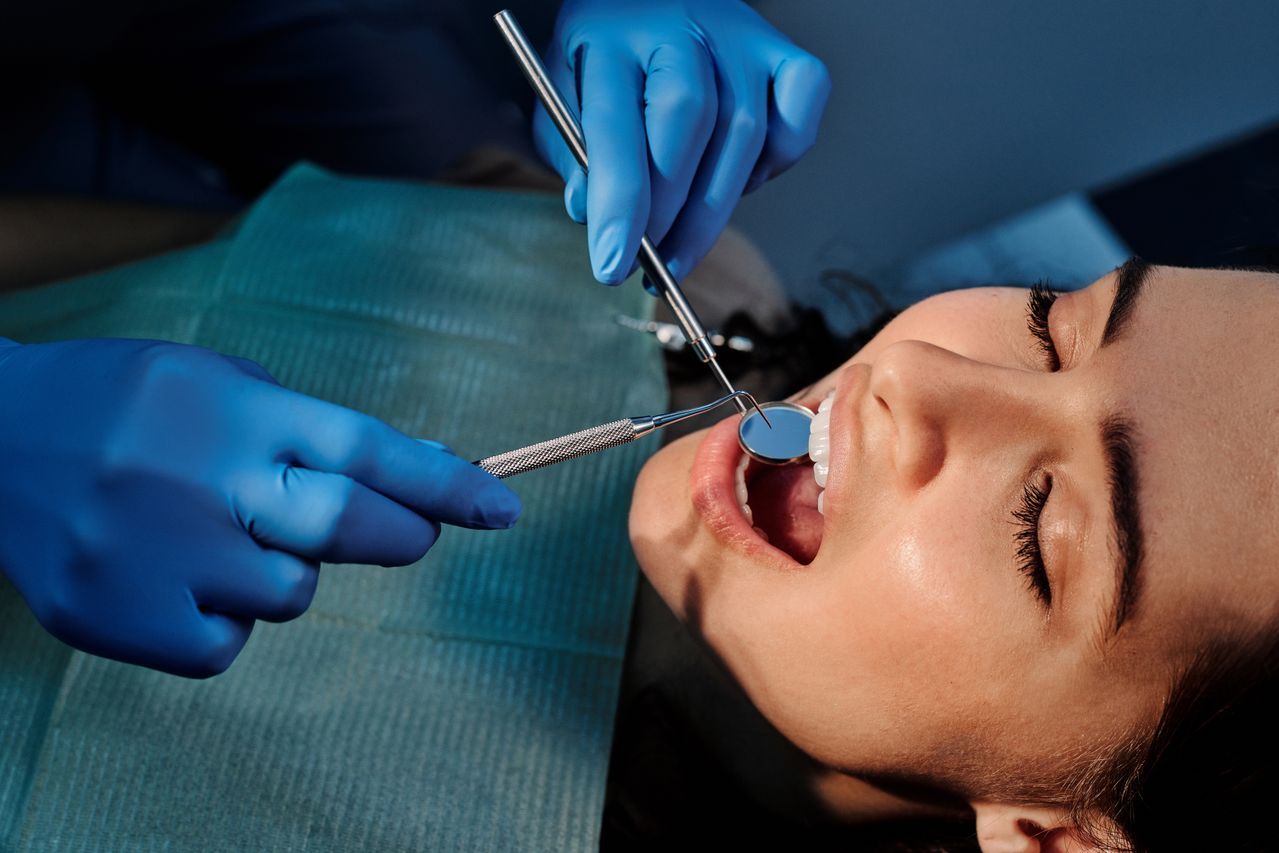
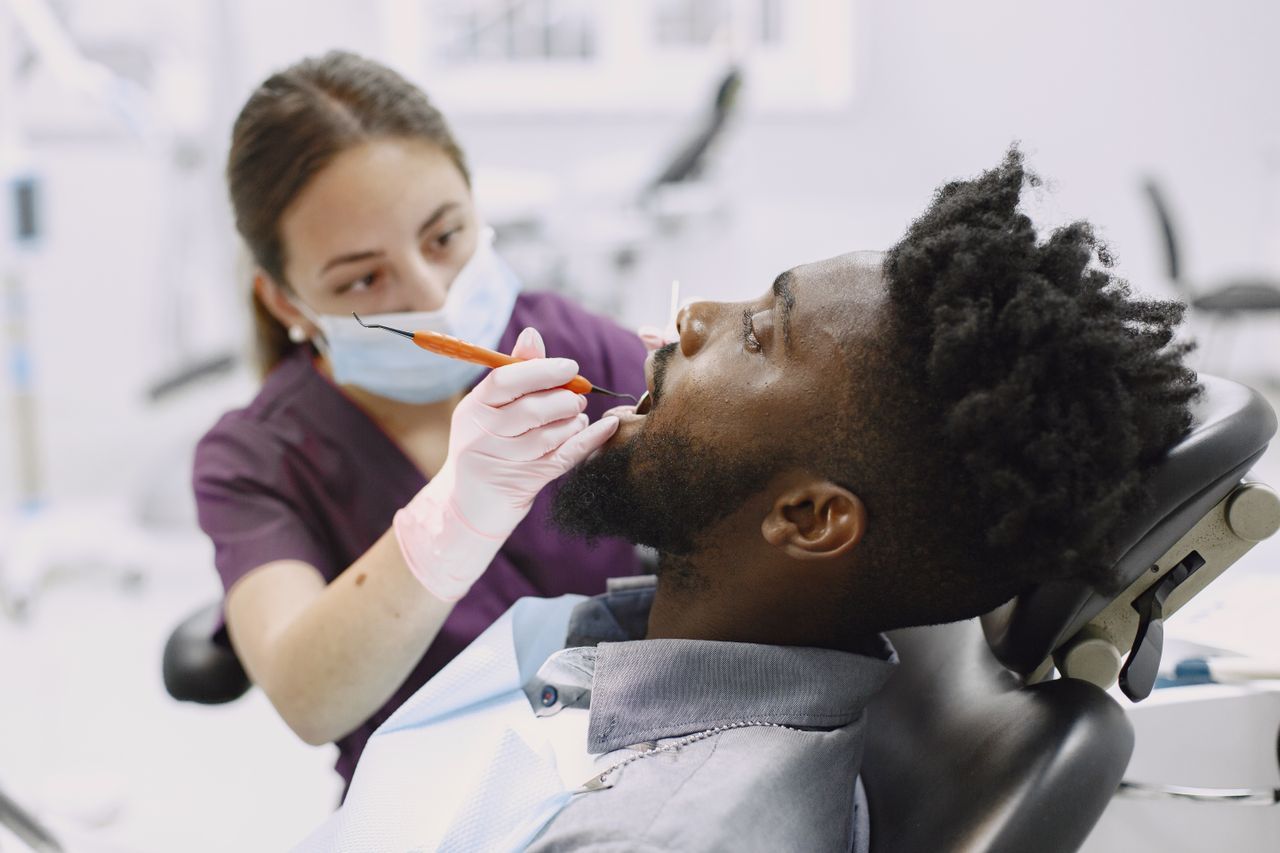
1. At the first visit, we examine the tooth and shape it so the crown will fit securely
2. Then we take an impression or digital scan to get the exact right fit
3. A temporary crown is placed to protect the tooth while the permanent one is made
That temporary cover helps avoid sensitivity and protects the shaped tooth from damage. We normally recommend avoiding chewy or sticky food during this period, since the temporary material can shift more easily. Once the final crown is ready, we’ll fit and place it securely using dental adhesive.
Patients appreciate that Seaport Family Dentistry uses modern tools and gentle techniques, making the crown process smoother for all ages.
Materials and Types: Choosing What’s Right for You
There isn’t just one kind of crown. The right one depends on a few things, like where it’s going in the mouth and how visible it will be when you talk or smile.
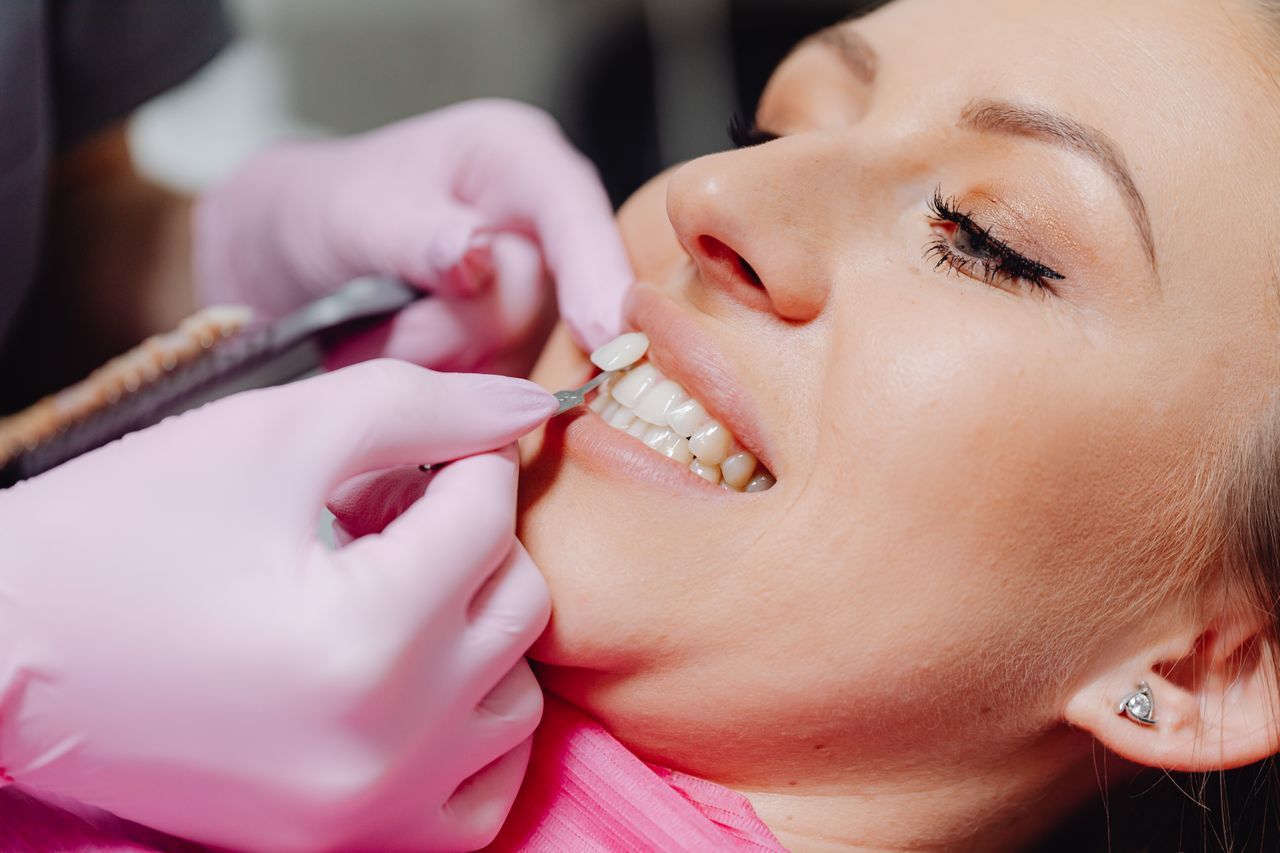
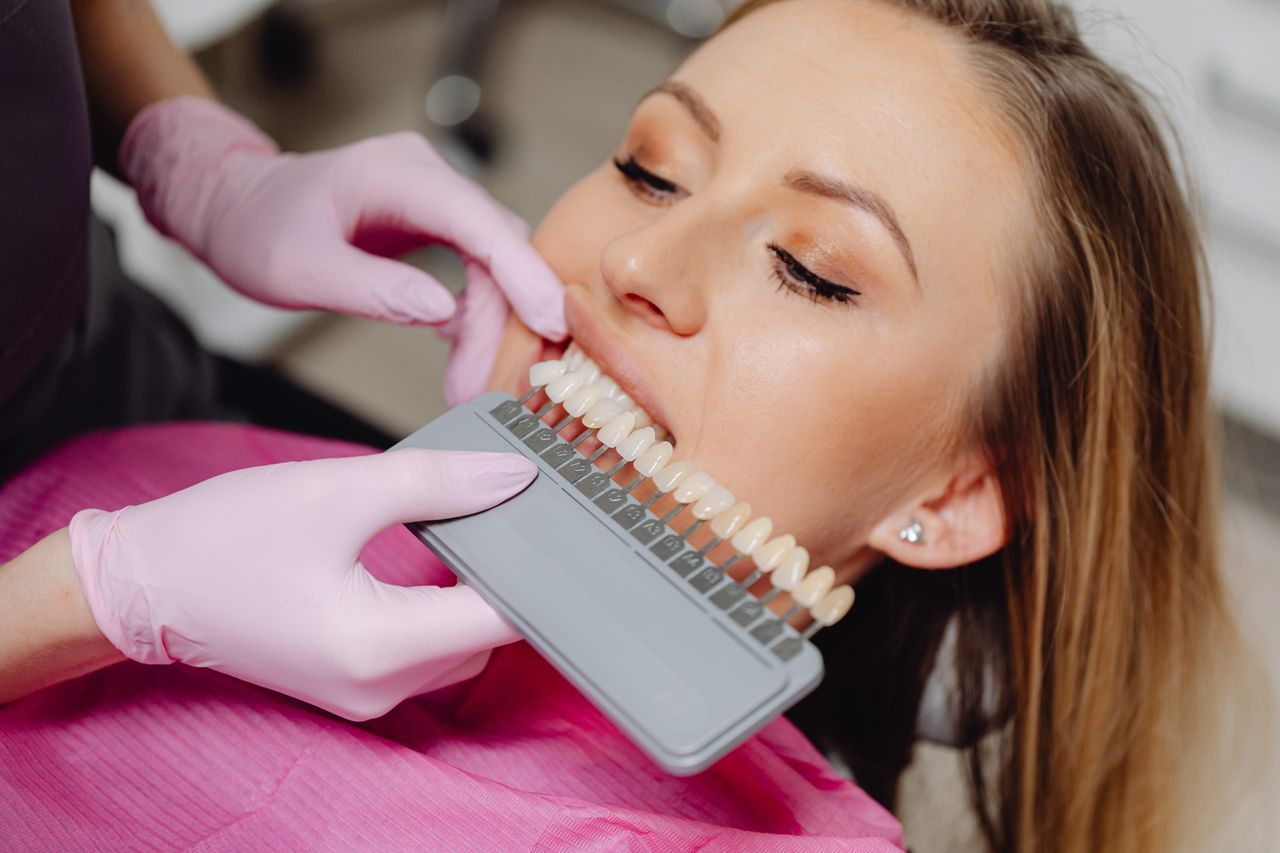
• Porcelain or ceramic crowns match the surrounding teeth well and are often used for front teeth
• Gold crowns hold up well under strong chewing but have a more noticeable look
• Porcelain-fused-to-metal options balance strength and appearance for places in the middle
Every patient’s needs are different. We help choose a crown type based on what’s most important for their everyday comfort, how it blends with nearby teeth, and how much pressure the tooth needs to handle from chewing. Some patients want the best match to their current tooth color. Others just want something strong enough to handle everyday bites without giving it much thought again.
How to Take Care of Your Crown After It’s Placed
Once the new crown is in, treating it like a regular tooth is key. Cleaning habits stay the same, gentle but thorough.
• Brush twice a day using soft, circular motions
• Floss gently around the edges where the crown meets the gum
• Avoid sticky or hard foods that might loosen it over time
It’s helpful to pay attention to sensitivity or a feeling that the crown doesn’t “fit right.” That includes any pain while chewing, soreness along the gumline, or temperature issues. Most of the time, crowns settle in nicely. But if something feels off, it’s better to get it checked than wait.
A Stronger, Healthier Smile Without the Guesswork
Knowing what to expect from a dental crown procedure in Lynn can remove a lot of the unknowns. It gives people room to plan, ask questions, and feel at ease before the first appointment. For many, understanding those steps makes the whole dental visit feel more manageable.
Heading into the New Year, families across Lynn are tying up loose ends before schedules get busier again. Fixing that one sore tooth now, before late-season colds or freezing days get in the way, can save time and stress later. Crowns offer a sure path forward when a tooth needs help getting back on track.
Wondering if a crown is the right solution for your dental needs? We’re here to answer your questions and guide you through the process so you feel comfortable with your options. Many of our patients feel more confident once they understand how a crown can protect and restore a damaged tooth.
To learn more about what to expect during a
dentalcrown procedure in Lynn, give Seaport Family Dentistry a call to schedule your visit. We’re committed to making sure you feel informed every step of the way.