Dental implants are made to handle daily wear, but they’re not unbreakable. If you play contact sports or enjoy fast-paced activities, you’ll want to think more carefully about how you protect them. While implants give you back your confidence, they still need some help staying safe during physical movement or impact.
If you’re in Lynn, MA, and lead an active lifestyle, working with a local dentist in Lynn, MA can keep you ahead of potential trouble. Small steps before and after games or workouts can make a big difference in how your implants hold up long term.
Wear the Right Mouthguard
Not every mouthguard gives the same protection. If you’ve ever bought one off the shelf, you probably know the fit can feel loose or bulky. That doesn’t help much when you're taking hits during a fast-moving game.
A custom-fit mouthguard can give you better protection than a one-size option. Since it’s shaped to your bite, it stays in place, cushions harder impacts, and spreads out any pressure. That’s especially important when implants are in the picture.
Here’s why wearing something that fits matters:
- A good mouthguard keeps force away from the implant post if you get hit in the face or jaw
- It helps reduce pressure on surrounding teeth too, not just the implant
- When the guard fits right, it’s easier to wear every time without discomfort
Replacing a dental implant isn’t a quick fix, so helping it stay safe with a mouthguard is a smart move if you’re regularly playing sports.
Know Which Sports Carry the Most Risk
You don’t have to be in full-contact sports to put your implant at risk. But certain activities do increase the chance of accidental hits, collisions, or falls.
Think about the types of movement and contact involved with these sports:
- Football, hockey, and martial arts usually involve direct blows to the face or falls during practice and matches
- Basketball and soccer might not be labeled full-contact but still involve a lot of jumping, elbows, or head-to-head moments
- Skateboarding or biking come with risks of falling forward onto the face
Knowing how active or physical your sport is helps you know when a little extra protection goes a long way. Helmets and mouthguards are more than just accessories when you have implants; they’re part of keeping your smile safe.
Keep Regular Dental Check-Ups
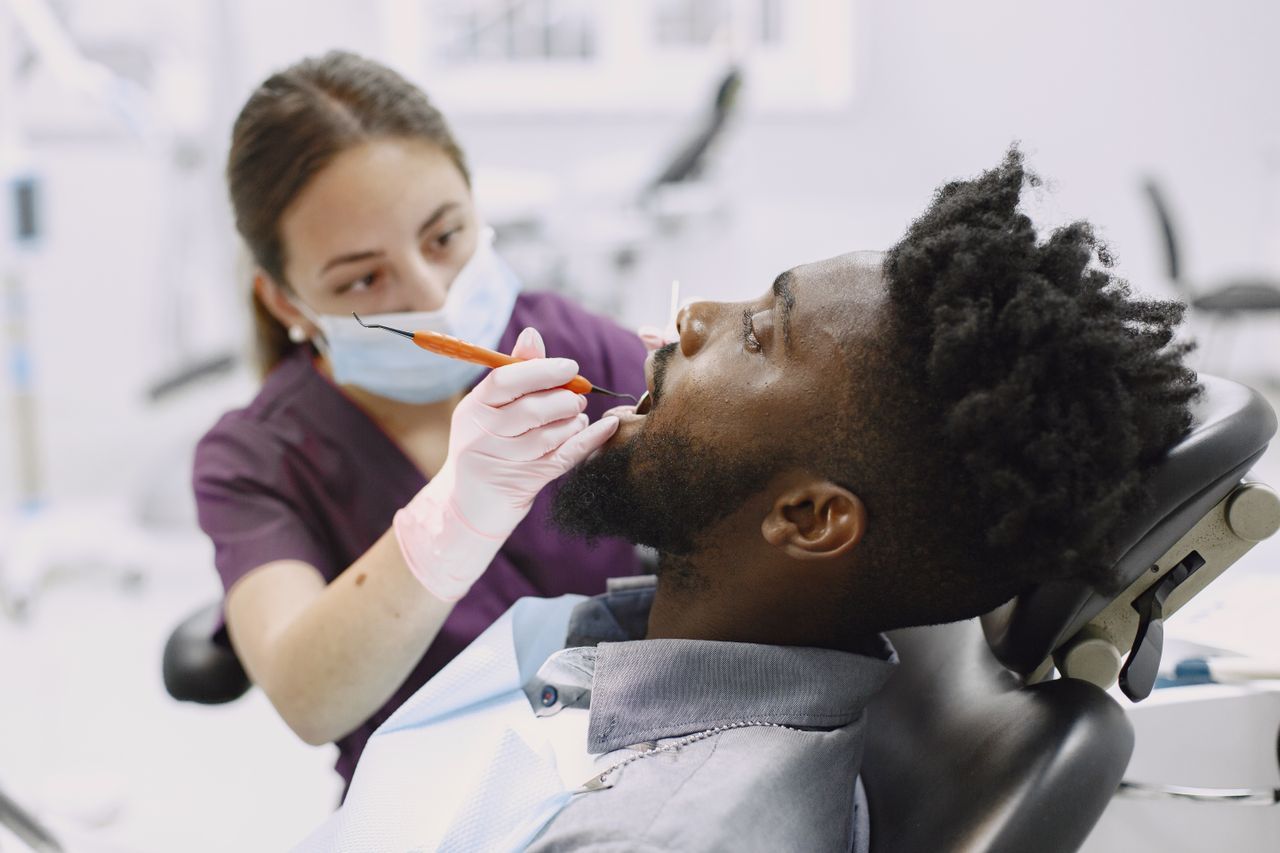
Even if everything feels fine, dental check-ups play an important role in catching problems early. Implants may look and feel like natural teeth, but the way they’re held in place is different. A quick shift in the gum or bone can make a difference months down the road.
Here are a few reasons why showing up for appointments matters:
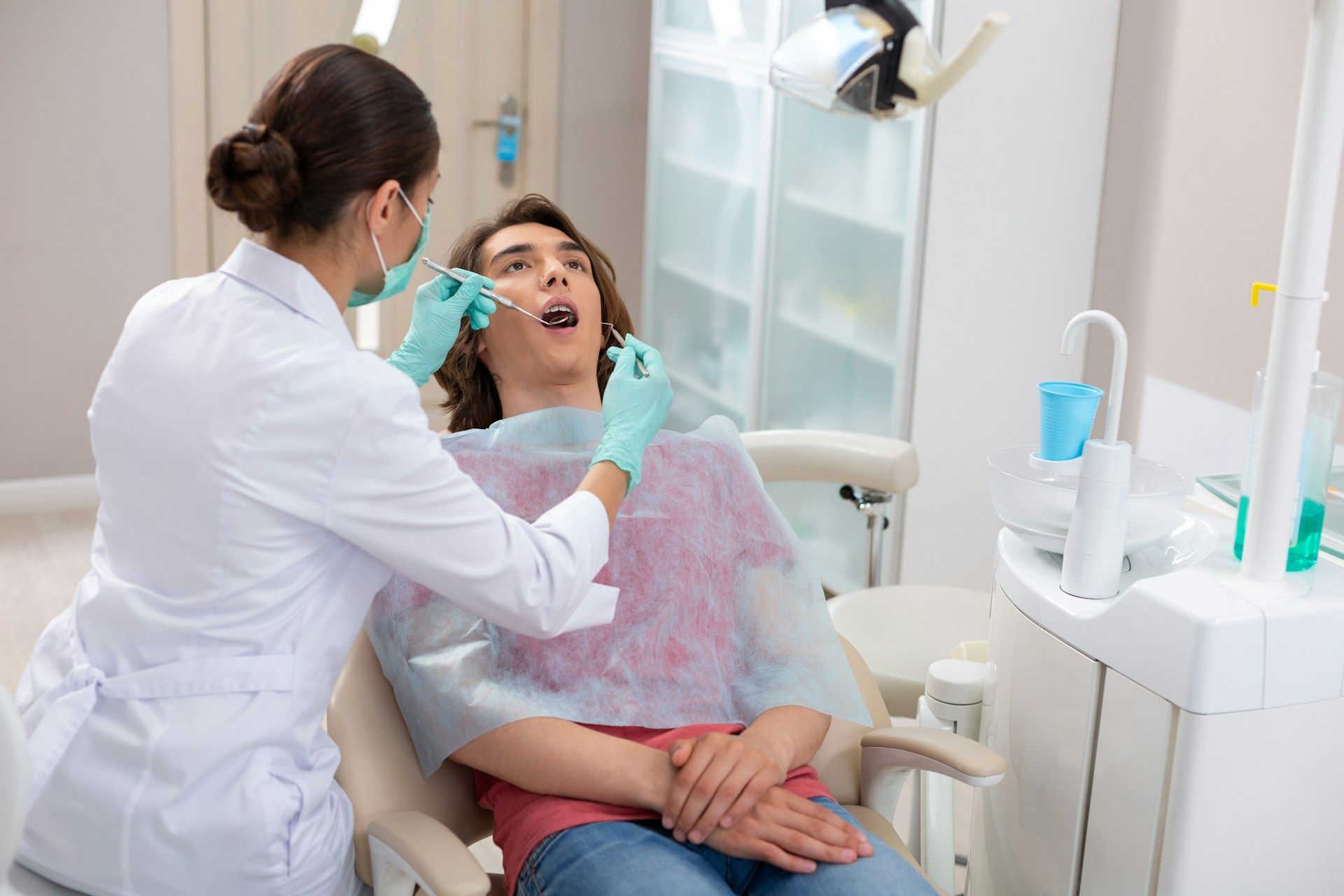
- A local dentist in Lynn, MA can check if the implant is still secure and hasn’t moved after a hit or fall
- Some issues, like microfractures, don’t hurt at first but can weaken the structure over time
- Follow-up visits after injuries help catch hidden damage before it causes long-term problems
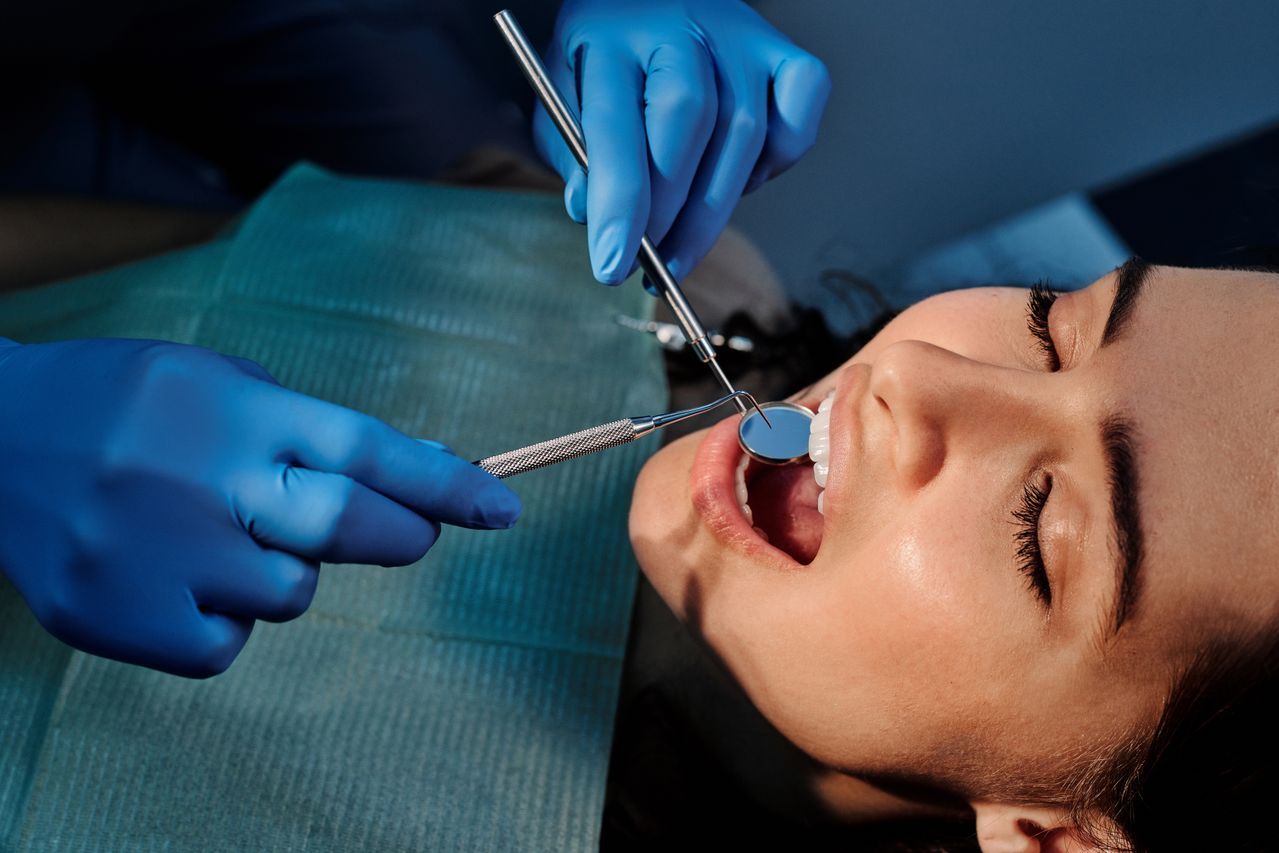
Keeping a close eye through regular cleanings and x-rays is one of the simplest ways to protect your investment and avoid surprises.
Avoid Biting or Chewing Hard Items During Play
Games and practices can get intense, but your teeth shouldn’t be doing the work of tools or storage. Biting down on a water bottle cap or gnawing gear out of habit puts direct pressure on implants.
Even snacks can be a problem. If you’re reaching for handfuls of nuts, chewing ice from coolers, or using your mouth to hold objects between plays, that wear builds up faster than you think.
To keep damage low during sports:
- Use hands, not teeth, to open packaging or adjust gear
- Skip hard foods or sticky snacks that put stress on the implant
- Watch out for sugary sports drinks, and at least rinse with water afterward to prevent buildup around the gumline
Your implant relies on healthy gums and solid bone, so keeping those areas protected means avoiding these unnecessary pressures.
Replace Protective Gear When It Wears Out
Even the best gear gets old. Stretched-out mouthguards or helmets with worn padding won’t do their job the way they used to. The tricky thing is, most gear doesn’t show obvious signs of wear until it’s already offering less protection.
If you’re playing sports regularly, it’s worth checking your equipment each season:
- Look for cracks, tears, or misshaping in your mouthguard that affects how it fits
- Inspect helmet padding for compression or loose spots
- If gear doesn’t feel snug, that might be a signal it needs replacing
A single hit with worn equipment can affect your implant’s placement or the gum around it. Swapping old gear for new each year isn’t just about comfort, it’s part of staying protected.
Keep Your Smile Game-Ready
Staying active doesn’t mean you have to worry about your dental implants every time you hit the field. With the right habits, they can stay strong through football seasons, gym days, and weekend games.
A little planning before practices, regular check-ups, and good protective gear can make all the difference. When you treat your implants with care, you’re able to keep playing hard without second-guessing every bump or fall.
Protecting your dental implants starts with small choices that keep them from wearing down or shifting over time, especially if you’re active. If you're in the area and need help with care routines or regular check-ups, a trusted support system makes all the difference. It doesn’t take much for a hit or a habit to create long-term problems, but we can help spot issues early and keep everything on track. Talk with a
local dentist in Lynn, MA about your sports routine and how to keep your implants strong, then call Seaport Family Dentistry today to schedule your next visit.