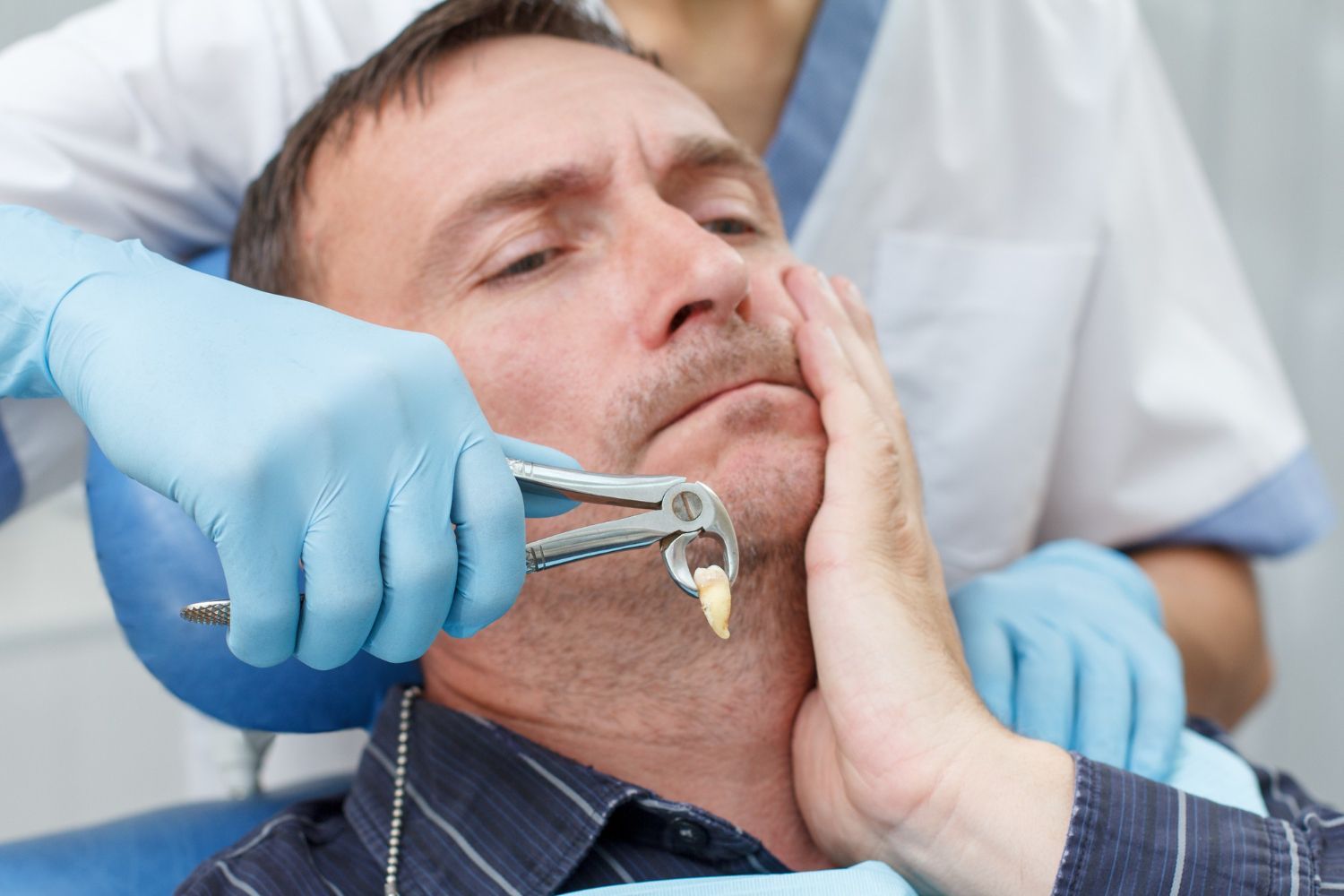
People lose a tooth for all kinds of reasons. Maybe it cracked during a meal, or maybe it had to be removed because of decay or injury. Whatever the cause, it's easy to put off replacing it. We hear this a lot from patients who say it’s not a big deal or they plan to get to it “eventually.”
But over time, that empty space in your mouth can cause more trouble than just how it looks. Several things start to change the longer a gap is left alone. Your bite shifts, bone weakens, and gums respond in ways that make future treatment harder. If you're searching for a dentist in Lynn, it helps to know how quickly things can change without action. At Seaport Family Dentistry in Lynn, MA, we provide general dentistry, hygiene visits, and restorative care like crowns, bridges, and implants to help repair and maintain your smile when teeth are damaged or missing.
What Happens to the Space Where the Tooth Used to Be
At first, an empty space may feel like a minor issue, especially if it’s not in the front. But nearby teeth aren't fixed into place. They slowly start to lean into the gap.
When that happens, your bite doesn't line up quite the same. You might notice more strain on certain teeth or soreness after chewing some foods. These changes happen gradually, so you may not even notice right away. But by the time discomfort shows up, the entire alignment is often affected.
Another thing that shifts is how easy it is to replace the tooth with an implant. The longer you wait, the more the bone in that spot starts to collapse. Eventually, that area can’t support an implant without additional steps like bone grafting or prep work. What may have been a straightforward procedure becomes more complicated.
Bone Loss That Happens Slowly but Surely
Tooth roots do more than hold a tooth in place. They actually keep the surrounding jawbone active. When a root is missing, the bone gets the signal that it's no longer needed.
Without that stimulation, the bone beneath the empty spot starts to thin. This doesn't happen instantly. It's slow and silent, but steady. Over months and years, that area becomes flatter and weaker.
That’s a problem for implants, which rely on strong bone to stay secure. If we try to place an implant after years of bone loss, we may have to rebuild that area first. It’s a longer process. It also adds more steps than when the implant is placed closer to when the tooth went missing.
Gum and Tissue Changes You Can’t See Right Away
Without a tooth in place, the gums in that area tend to sink and reshape. This makes sense, the gum tissue is no longer needed to create a seal around a tooth. That change can make the area look a little sunken or uneven.
The exposed space also becomes a spot where food particles and bacteria collect more easily. When it’s not cleaned well, infection risks increase. Gums around the gap can become inflamed or pull back even further.
This affects the teeth next to the gap. They start to fight more pressure, more buildup, and less support. In time, the area doesn’t look or feel the same. What started as one missing tooth becomes a bigger conversation about supporting the whole mouth.
Why Implants May Not Be an Option Later
Implants work best when the bone and gum around the area are still strong and in good shape. As time passes, the chances of that change. If the space hasn’t been touched for years, the structure may not be steady enough to hold an implant.
To work around this, some people end up needing extra treatments, like rebuilding the bone or reshaping the gum area first. These steps can take time to heal and might limit what kind of restoration is possible. It’s not just about wanting a better option, it’s about whether the area can support it.
Talking sooner with a dentist in Lynn helps keep more of those options open. When we wait years instead of months, we’re often working against changes that could have been easier to handle early on.
Emotional and Social Effects of a Missing Tooth
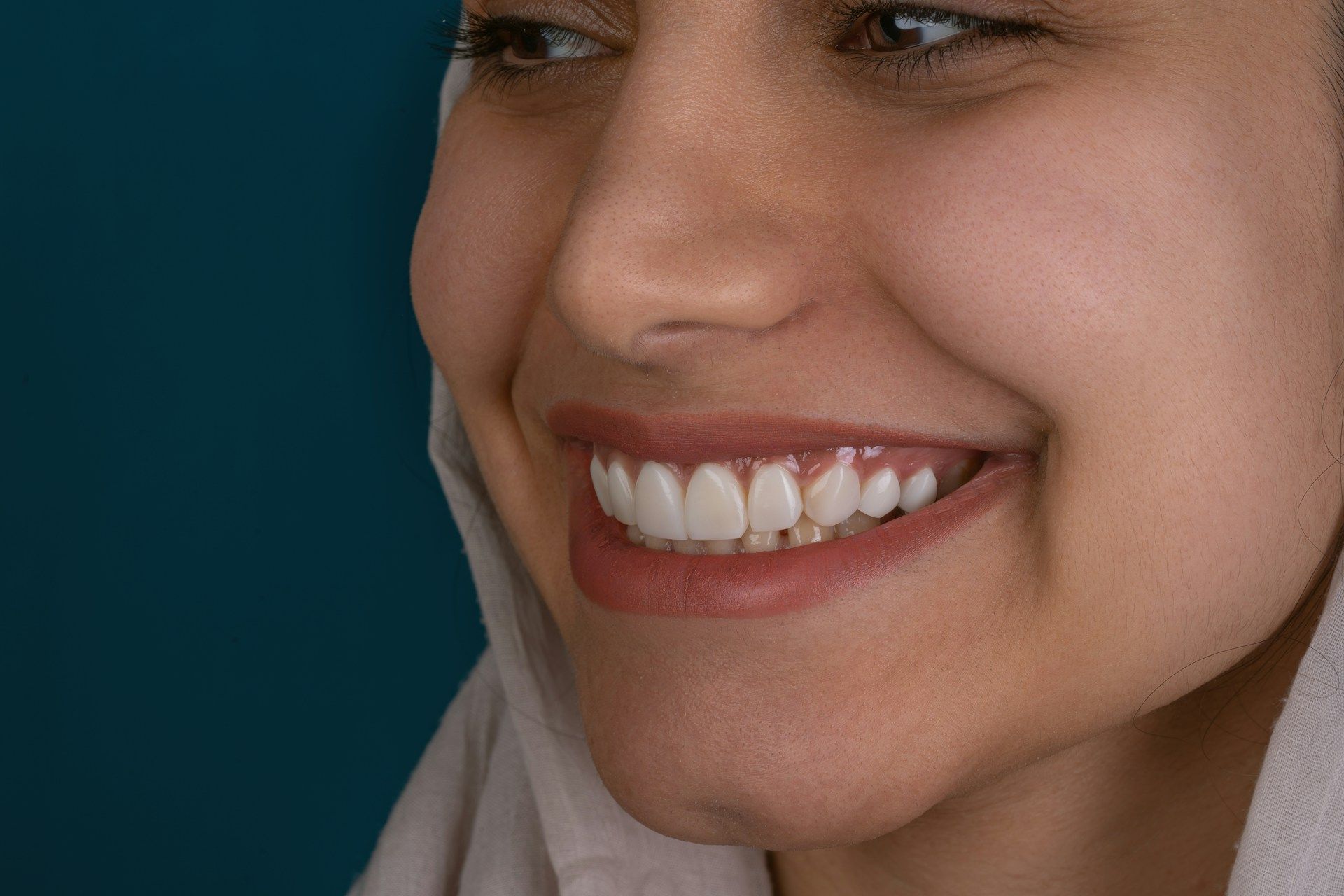
There’s more to replacing a tooth than function. A missing tooth, especially one that people can see when you smile or talk, can have a quiet effect on the way you feel. Many people find themselves smiling less or covering their mouth without thinking.
Some avoid certain foods or chew on only one side to stay comfortable. Others speak differently without even realizing it. These small, daily adjustments can build up over time and start to shape how confident someone feels in everyday moments.
We’ve seen how relief often comes after the problem is fixed. But until that happens, it's common for people to adjust their lives in little ways that affect everything from conversations to photos.
Early Action Makes Implants Easier and More Comfortable
A missing tooth isn’t always an emergency, but the longer it's left alone, the more it changes the shape and strength of your mouth. Waiting often means harder and more expensive care down the road.
Getting ahead of those changes helps keep the area in better shape. The bone stays stronger, the gums stay healthier, and it’s easier to place a secure implant. Knowing how things change over time can help you avoid added steps later and support the long-term comfort and feel of your smile.
When you're ready to take the next step, we're here to make it easier. Delaying a missing tooth can lead to changes that affect more than just one spot, as it can shift your whole mouth. By acting early, you can avoid the extra work that comes with years of waiting and keep your bite feeling more natural. If you’re looking for a trusted
dentist in Lynn, we're ready to help you plan the best solution. Contact Seaport Family Dentistry to get started.