Missing teeth can make daily life harder, and not just when it comes to smiling. It's more noticeable when we eat cold foods or speak in busy places. In Lynn, MA, colder weather can make dental issues feel worse, especially around the holidays. That's when many people start thinking more seriously about fixing a missing tooth or replacing an older, broken dental bridge.
Dental bridge installation in Lynn helps people feel more like themselves again. It fills empty spaces, makes chewing easier, and supports overall mouth health. If you're wondering what goes into getting one or if your current bridge needs an update, we’ll walk through the key steps, how repairs work, and how to keep your bridge working well for the long haul.
What a Dental Bridge Is and How It Works
A dental bridge is made to fill the space where a tooth is missing. It stays in place by attaching to nearby teeth or implants. That way, it helps you chew evenly, keeps other teeth from shifting out of place, and makes talking and smiling feel more natural.
There are a few types of dental bridges:
• Traditional bridges are the most common and rely on natural teeth on both sides of the gap to hold the replacement tooth in place.
• Cantilever bridges only need one supporting tooth next to the space.
• Implant-supported bridges are attached to dental implants, which act like artificial roots anchored in the jaw.
The type of bridge your dentist recommends depends on things like how many teeth are missing, how strong the nearby teeth are, and what kind of long-term care you’ll need. Just like no two mouths are alike, no two bridges are either. A good fit is important, both for comfort and for keeping your bite working the way it should.
Sometimes, the need for a dental bridge arises after tooth loss due to injury, decay, or age. Bridges not only restore your ability to eat and speak naturally, but also help maintain the shape and appearance of your face.
Without something to fill the space, neighboring teeth might drift into the gap. Over time, that can lead to bite problems, uneven pressure on your jaw, or even headaches. Consulting a dental professional is the best way to explore the bridge options that fit your unique needs and oral structure.
The Dental Bridge Installation Process Step-by-Step
Getting a bridge is not a one-day fix. There are different steps involved, and it usually happens across a few appointments.
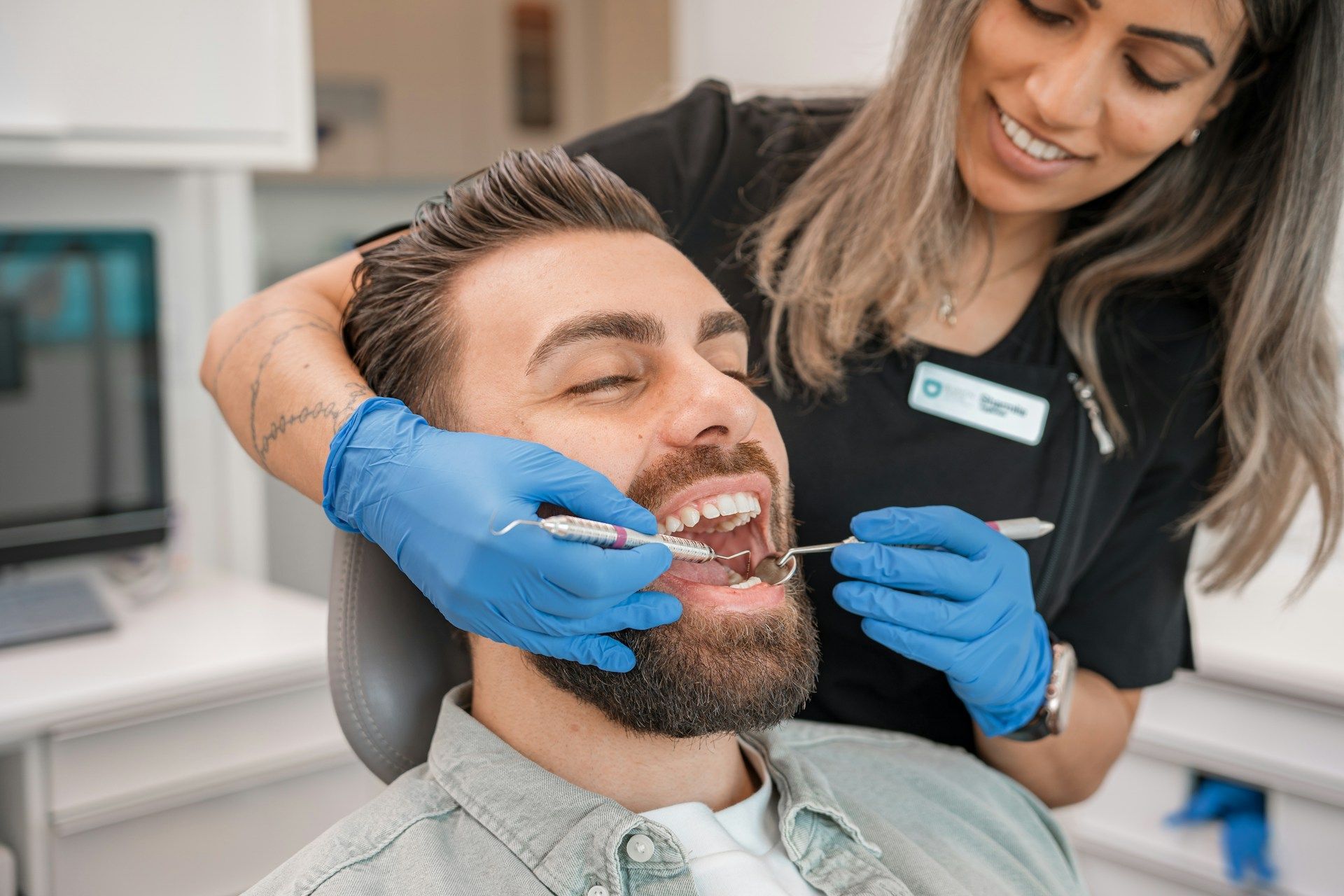
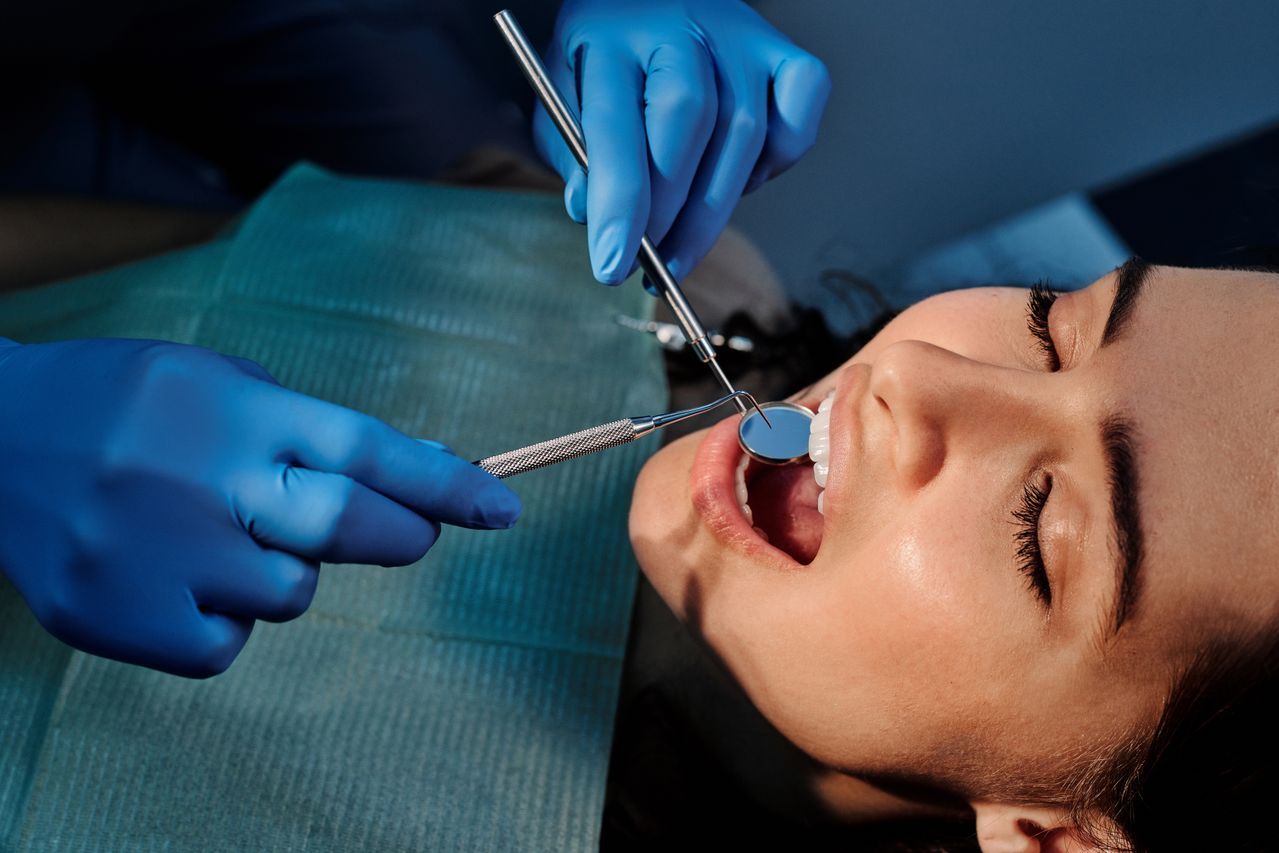
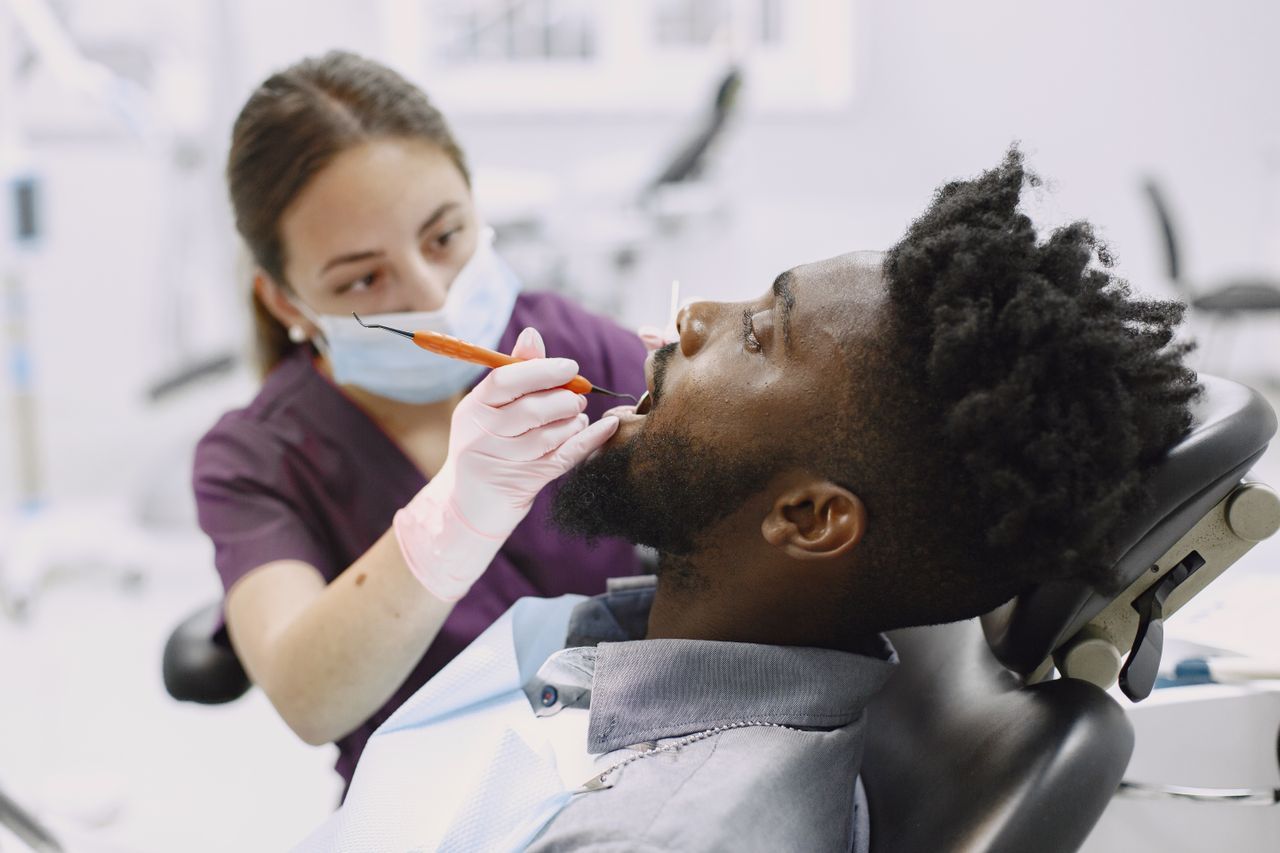
1. At the first visit, your dentist will check the area and may take X-rays to get a closer look at the bone and support teeth.
2. To prepare the nearby teeth, a little shaping may be required so they can hold the bridge properly.
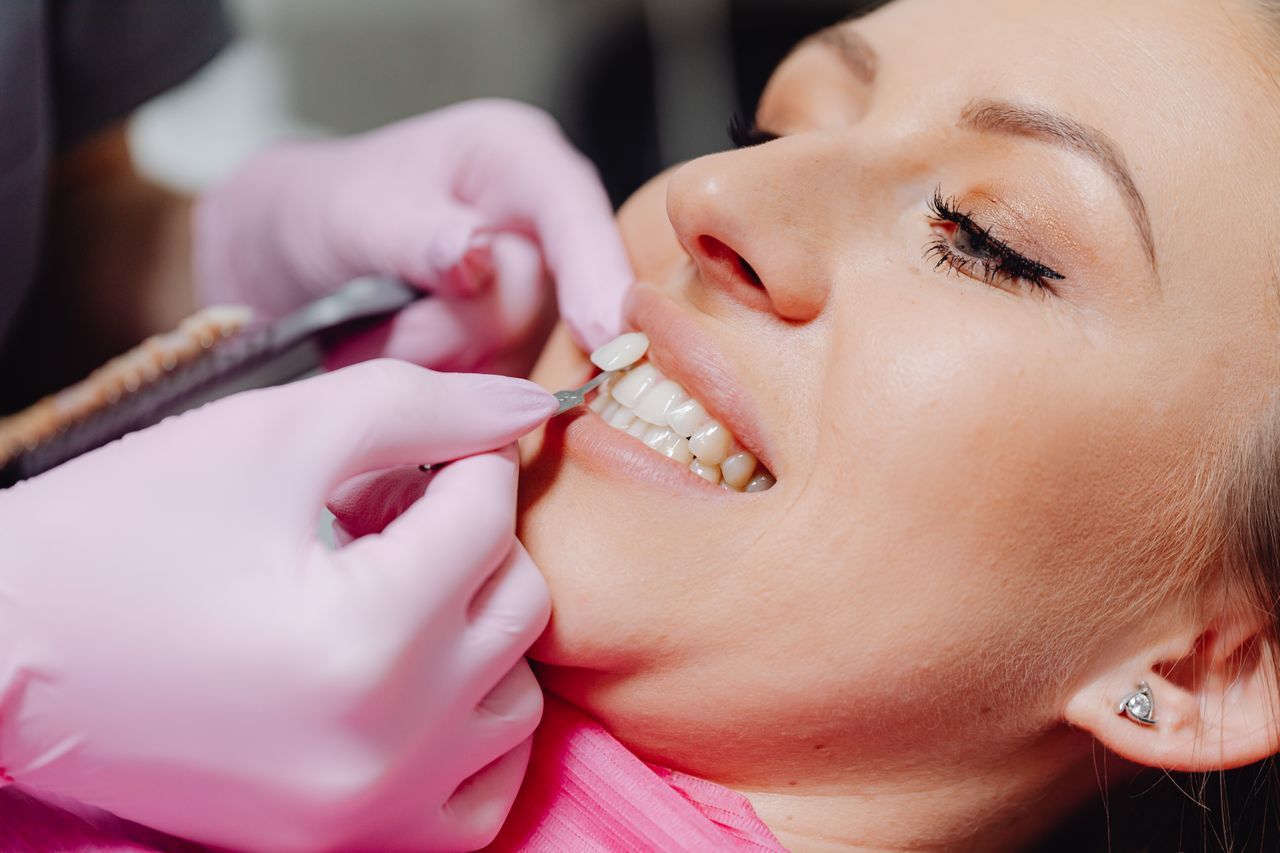
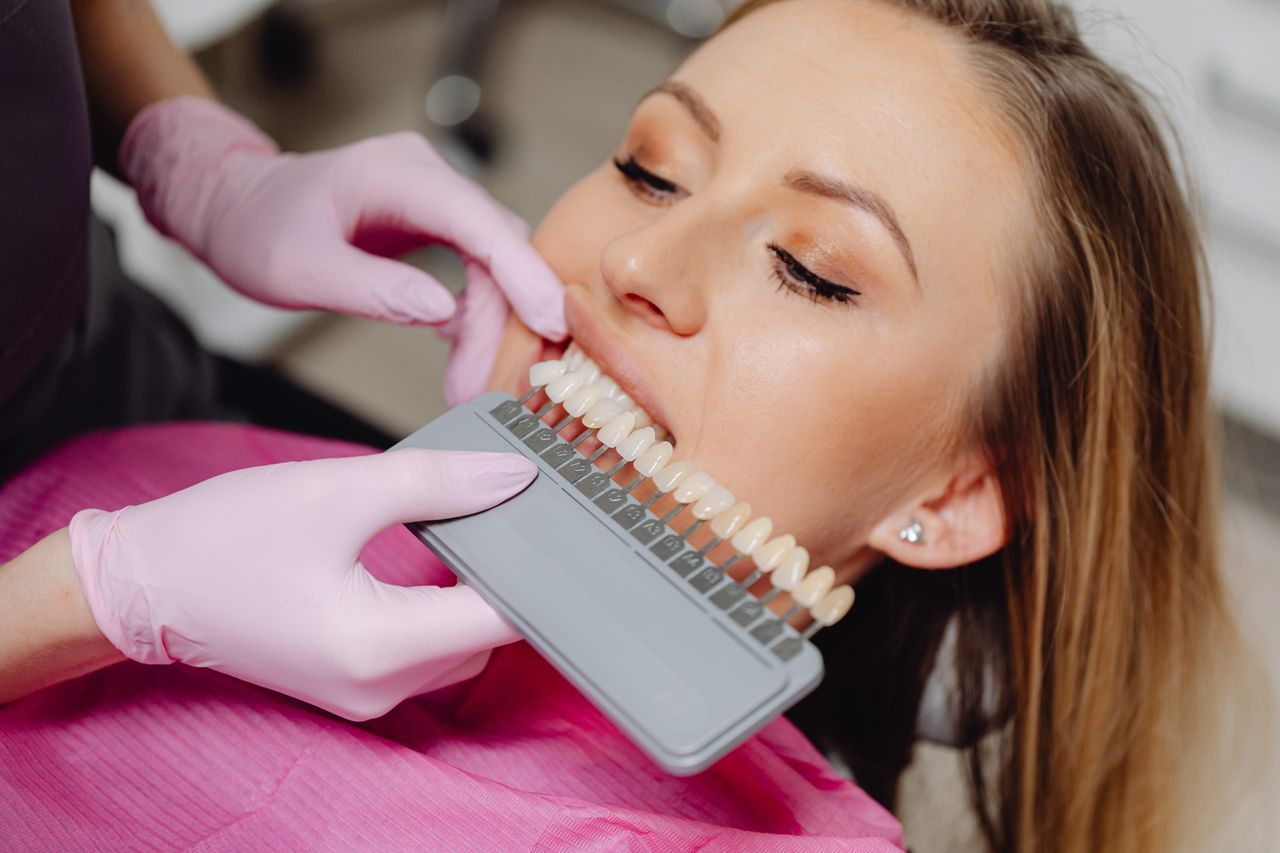
3. Once that’s done, your dentist will take a mold or digital scan to send to a lab, where the custom bridge is made to match your bite and tooth color.
4. A temporary bridge is often placed while the permanent one is made, which helps protect the area and lets you chew more comfortably.
5. At the final visit, your dentist will remove the temporary, check the fit of the permanent bridge, and make adjustments before bonding it into place.
For some people, it may take more than two visits to get everything right. That’s normal. The goal is to keep your bite balanced and your smile as natural-looking as possible.
Sometimes, each step includes careful checks and measurements to ensure that the bridge will fit comfortably in your mouth. Your dentist might ask you to bite down to see how the new bridge fits with your other teeth. Adjustments can be made on the spot, or, if needed, the bridge may be sent back to the lab for further refinements.
Throughout this process, your comfort and timing are considered so that when the bridge is finally placed, it feels as close to your real teeth as possible. Communication with your dental team is key, especially if anything feels unusual or uncomfortable during the fitting process.
Signs Your Dental Bridge Might Need Repair
Even with good care, dental bridges can wear out over time. Spotting early signs of damage can keep small issues from turning into bigger ones.
• If your bridge starts to feel loose or shifts when you bite, that’s not something to ignore.
• Cracks, chips, or visible gaps where the bridge meets the gums can let food in and cause irritation or decay.
• Some people notice soreness or pain around the bridge during colder months, especially when outdoor air is dry and cold, like it often is in December around Lynn.
A worn or broken bridge can make it harder to chew or speak and can even affect your jaw over time. Repairs should always be done at a dental office; it’s not something to try fixing on your own. A dentist can tell if a quick repair will solve the problem or if a replacement might be the better option.
Caring for your bridge means being aware of subtle changes, too. Grinding your teeth or eating especially hard foods can add extra stress to a bridge. If you notice a clicking sound, unexpected discomfort, or changes in the way your teeth fit together when you bite, let your dentist know. In many cases, early repair can prevent more complicated procedures later on.
Taking Care of Your Bridge After Installation or Repair
Daily care makes a big difference in how long a dental bridge lasts. After installation, a few simple habits can help protect your bridge and the teeth around it.
• Brush gently twice a day, focusing on the gum line and the sides of the bridge.
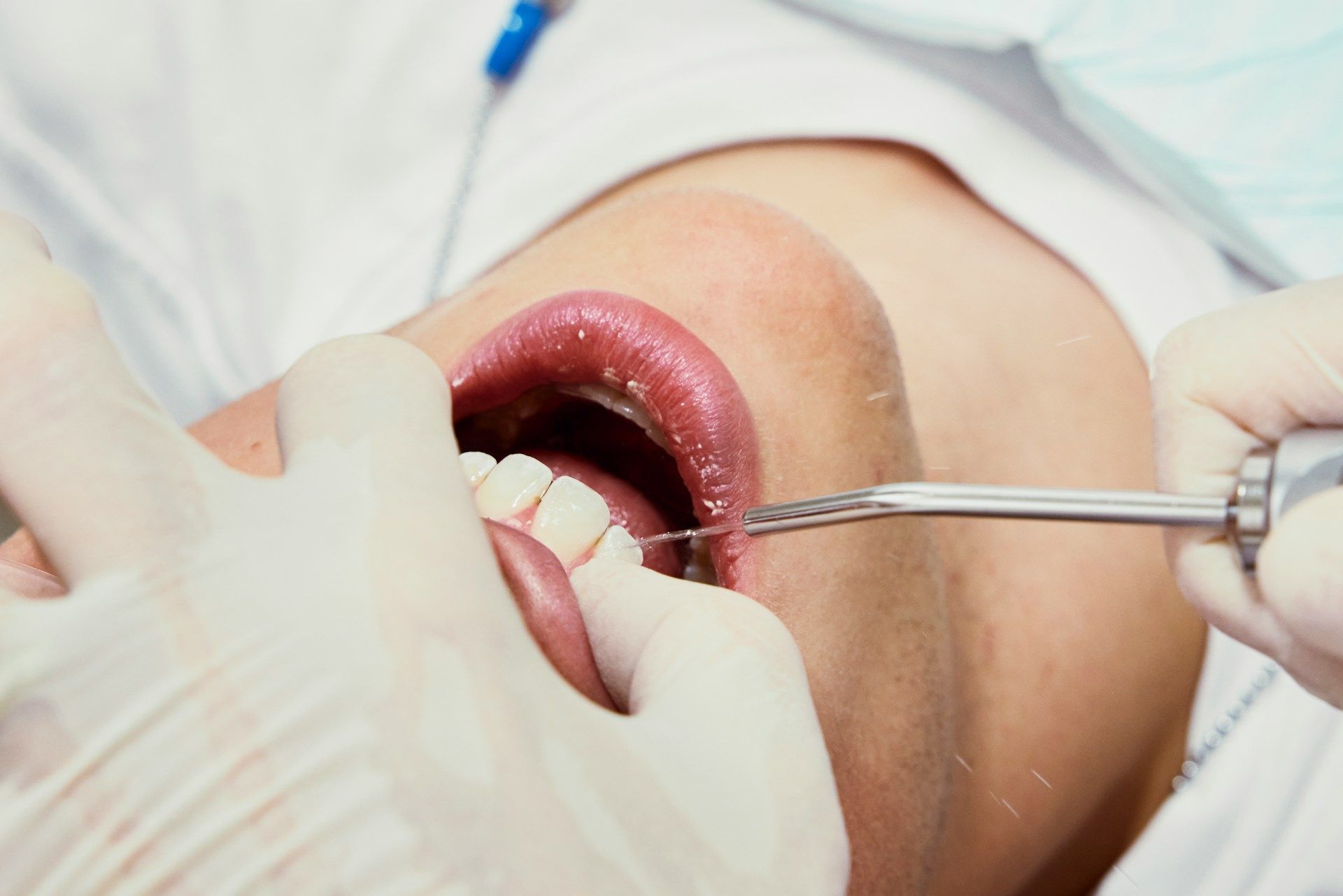
• Use a floss threader or water flosser to clean under the bridge where food can get trapped.
• Avoid very sticky, crunchy, or hard foods during the first few days after the bridge is placed or repaired.
If your bridge is new, your mouth may take a few days to get used to it, especially when eating or speaking. If anything feels sharp or uneven, let your dentist know. A small adjustment can make a big difference in comfort.
It's helpful to use a soft-bristled toothbrush and toothpaste that isn't too abrasive, as these are gentle on both natural teeth and the bridge material. Using fluoride toothpaste can also help protect surrounding natural teeth from decay.
Try to stick to a regular cleaning routine, and consider visiting your dentist for checkups at least twice a year. Preventing the buildup of plaque and avoiding habits like chewing ice or pens can make your bridge last even longer.
When to Talk to a Local Dentist in Lynn
December's cold air and dry heat indoors can make things like gum tightness or sensitivity feel worse. If you notice discomfort around a bridge that wasn’t there before, that’s a good reason to check in.
This time of year is also a smart moment to plan care before your benefits reset in the new year. If your bridge hasn’t been checked in a while, it’s a good idea to have it looked at during a regular cleaning or exam.
Most of all, don’t wait if something feels off. Visiting a dentist in Lynn can help you get relief sooner, especially when you’re juggling busy holiday plans or colder-weather routines.
Making time to visit for an assessment before the winter months can also help you avoid last-minute concerns when relaxation and family time should be the focus. Open communication with your dental team ensures that your bridge is not only intact but also comfortable throughout the colder season.
Keep Your Smile Strong and Steady
A dental bridge solves more than the look of missing teeth. It helps with everyday comfort, chewing, and speech. Whether you're thinking about bridge installation or trying to decide if your older bridge needs repair, knowing what the process includes gives you more confidence to act.
Taking care of your bridge does require a bit of attention, but nothing complicated. Regular cleanings, early signs of trouble, and good daily habits will keep your bridge in good shape. Trusting those steps helps your smile stay steady, no matter the season.
At Seaport Family Dentistry, our team helps patients every day with everything from minor adjustments to full replacements and is always here to answer your questions. Discover what to expect with
dental bridge installation in Lynn by reaching out to schedule your visit.