Getting dental implants is a big decision, and taking care of them well can help protect that investment for years to come. Whether you just finished your procedure or are still thinking about it, it’s smart to understand what it takes to care for implants every day. A good place to start is your dental implant consultation in Lynn. That early visit gives you the full picture of what to expect and lays the groundwork for simple, ongoing care.
We’re going to walk through what daily habits help most, what to avoid, when to follow up, how to eat during healing, and how your dental care doesn't stop once the implant is placed. Your new smile can only stay healthy if the tissue around it does too. Knowing how to take care of that from the beginning makes everything that follows much easier.
Daily Cleaning Habits That Make a Difference
A big part of implant care happens at home. Brushing and flossing the right way keeps bacteria from building up around the gumline. That little bit of attention each day does more than you might think. It doesn’t have to take long, either. It just needs to be done gently and consistently.
• Use a soft-bristled toothbrush to avoid irritating your gums or scratching the surface of the implant
• Choose a toothpaste made without harsh abrasives or whitening powders
• Floss once a day using regular floss or a floss threader if it’s easier to reach around the implant
If any part of the gums around your implant feels sensitive, swollen, or looks red, it’s time to let us know. Staying ahead of small problems helps avoid bigger issues later. Cleaning around the implant takes the same care as your natural teeth, but the stakes are higher because there’s no nerve inside to warn you something’s wrong.
At Seaport Family Dentistry, we show patients proper implant hygiene techniques during consults and provide post-care instructions specific to their type of restoration.
What to Avoid If You Have Dental Implants
Maintaining your implants isn’t only about what you should do; it’s also about what’s best to avoid. Some common habits might seem harmless, but they can wear down your implant or affect healing.
• Don’t chew on hard items like ice or pens
• Avoid using your teeth to open packages or bottles
• Stay away from very sticky or tough foods during early healing
Smoking is another concern. It can make it harder for your gums to stay healthy and can slow down healing after placement. Skipping checkups or ignoring changes around the implant can lead to problems that are harder to fix later. We encourage you to speak up if something feels off, even if it seems small. Early signs of trouble can usually be handled quickly.
Your Follow-Up Appointments Matter
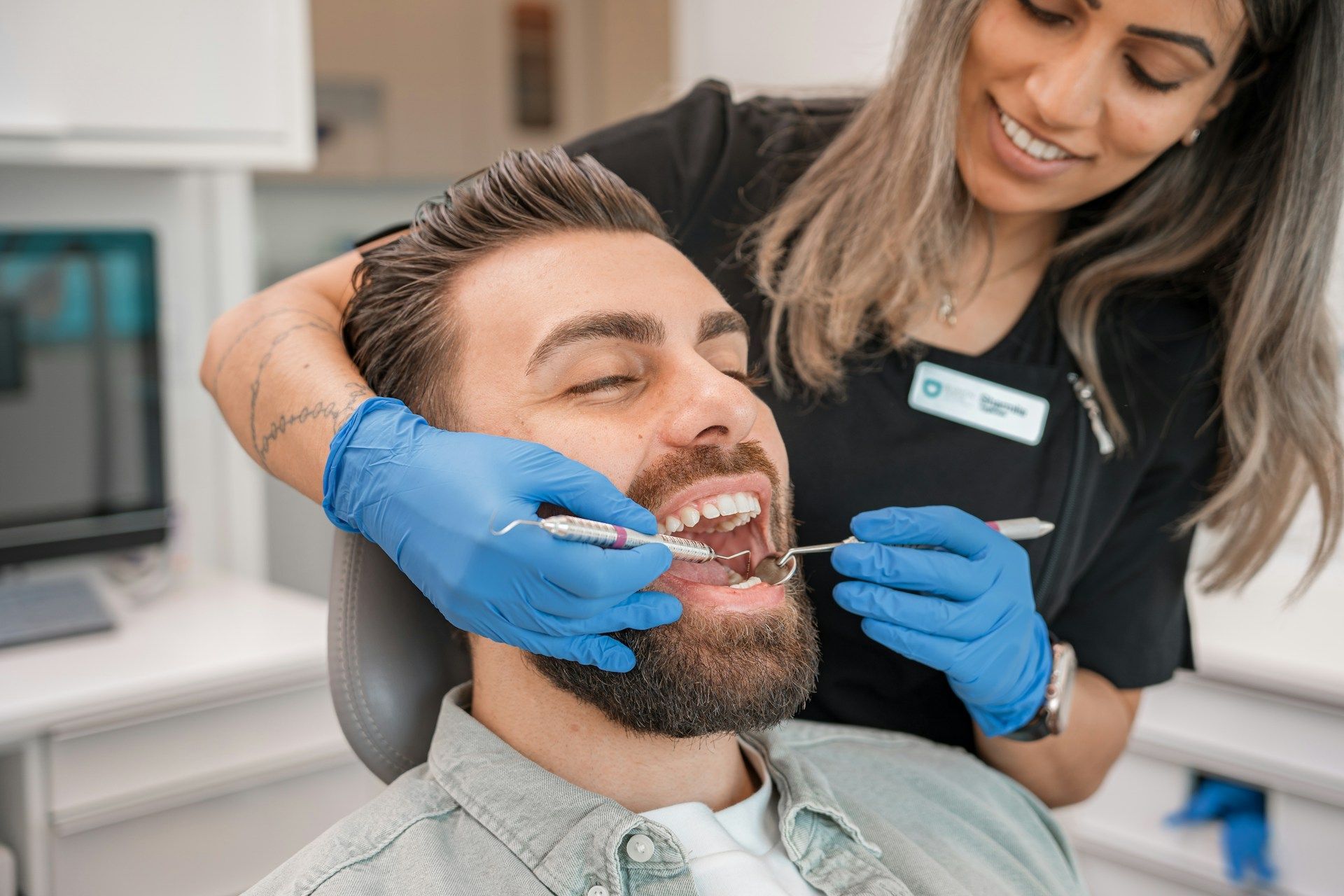
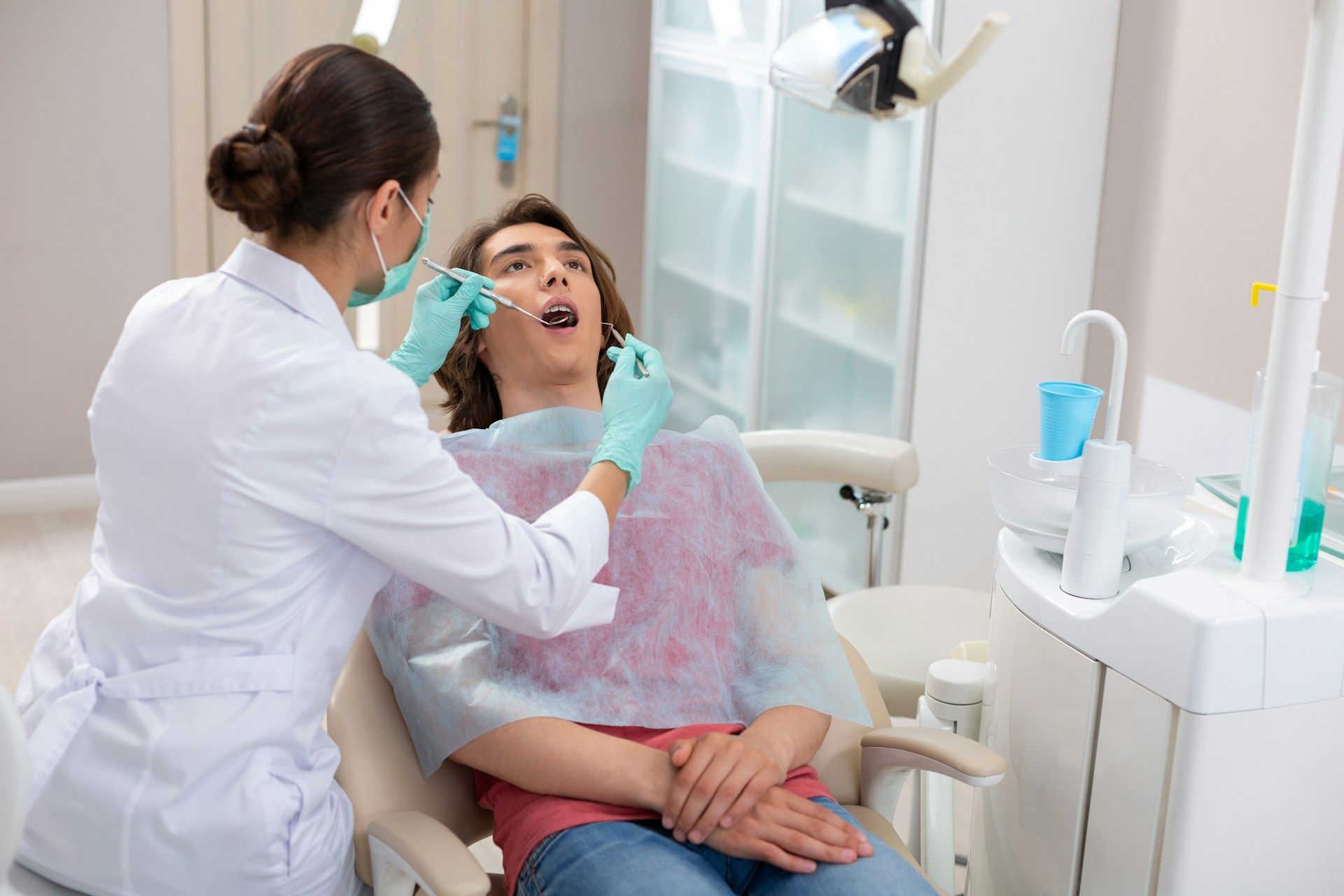
Once your implant is placed, follow-up visits help us make sure your mouth is healing well. These checkups are usually simple, and they don’t take long, but they give us a chance to monitor your progress closely.
• We look at how the implant is sitting and if your gums are healing the way they should
• We check your bite to see if it feels natural and balanced
• We review X-rays if needed to see how the bone is supporting the implant
If your last dental implant consultation in Lynn led to treatment, those early visits likely laid out your care plan. These follow-ups are part of that same path. They’re not just about checking a box; they help us adjust anything that needs attention before it becomes a bigger concern.
Our office uses digital X-rays and advanced diagnostics to make sure your restoration is healthy, and your treatment is on track.
Eating With Implants: Tips for Comfort and Care
The way you eat right after getting an implant might need a few changes. This doesn’t last forever, but giving your body the break it needs during healing can make a big difference in how the implant settles in.
• Stick with soft foods like eggs, rice, yogurt, soups, and cooked vegetables at first
• Avoid chewing directly on the implant site for the first few weeks
• Watch out for foods that are too hot or cold while your gum feels sensitive
Little by little, you’ll be able to return to your normal meals. Just take it slow. Paying attention to new pressure or discomfort gives you insight into how your mouth is adjusting. No two mouths heal the same way, so go with what feels right and don’t rush it.
Long-Term Support From Your Dental Team
Even after your implant is fully healed, regular care still matters. The bone around the implant can stay strong for years, but only if the area stays clean and stress-free. That’s where we come in.
• We provide cleanings specifically designed for implant care
• We adjust your crown or bite if things shift or start to feel uneven
• We answer questions or check things out any time you’re unsure what’s normal
Implants stay healthier when you stay connected to your care provider. Long gaps between visits can allow small issues to grow without you realizing it. Think of this as maintenance, not repair. Keeping an eye on how the implant looks and feels will guide whether you need a minor change or a deeper cleaning.
Healthy Implants Mean a Healthier Smile
Dental implants can last a long time when you take care of them properly. Small habits like daily brushing and regular check-ins go a long way. So does speaking up when something feels off. Every part of your care helps keep the area around the implant stable and your whole mouth healthy.
Even after everything is healed, the care doesn’t stop. Connecting with us over time gives you peace of mind and a better shot at keeping your smile looking great year after year. Dental implants are built to last, but the way you care for them still matters every single day.
Thinking about getting dental implants? Scheduling a
dental implant consultation in Lynn is a great first step to get your questions answered and learn about what long-term care involves. At Seaport Family Dentistry, we take the time to assess your oral health and offer tips suited to your daily routine, helping you build healthy habits from the start. Contact us today to discuss your options or ask any questions you have about your care.