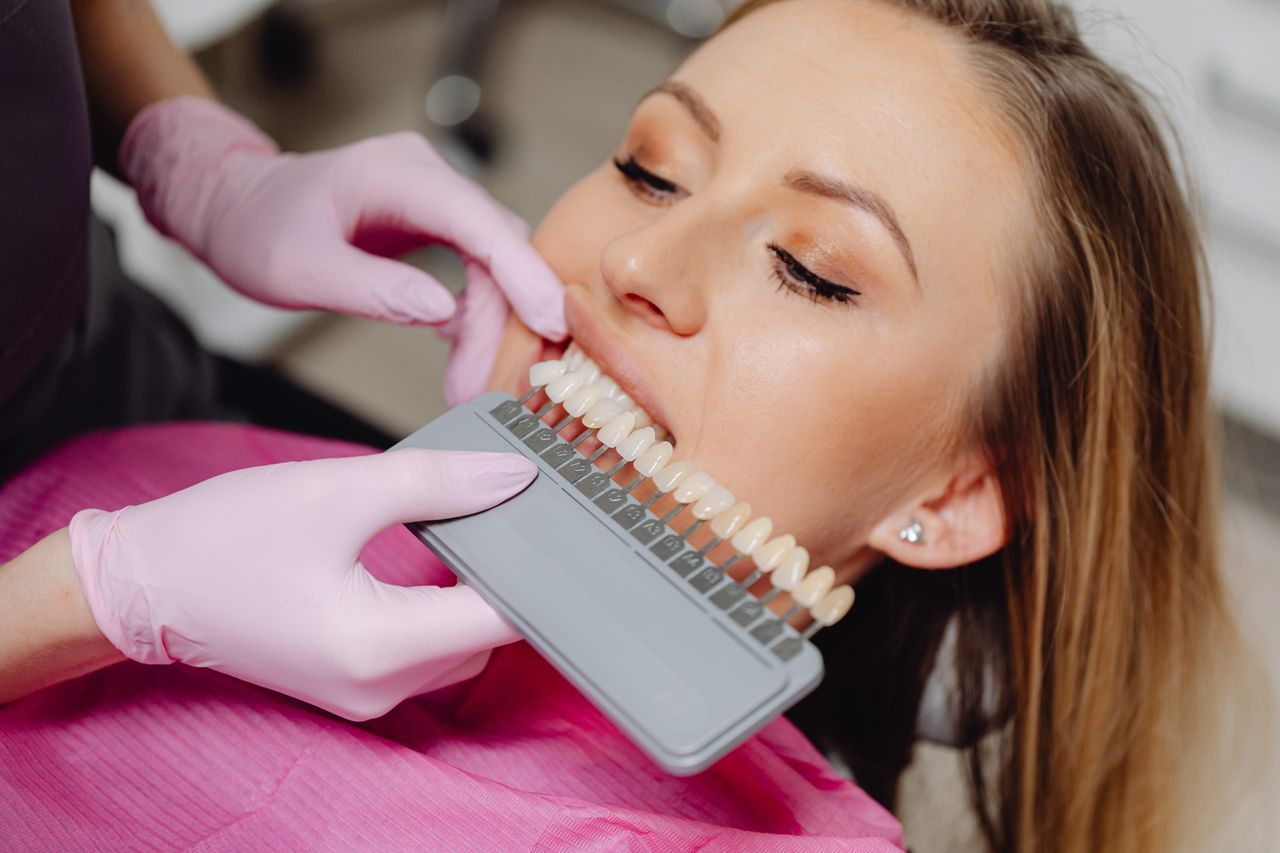
Getting your teeth professionally whitened can feel like a fresh start, especially if staining has been holding back your confidence. It’s something many people in Lynn look forward to, and for good reason. But sometimes, the results are uneven. Yellow patches might pop up on certain teeth or in certain areas, which can throw off the bright, even look you were expecting. This isn't always a reason for alarm, but it does need attention.
These yellowish spots can mean a few different things. They might be leftover staining that didn’t lift, or they might be your enamel reacting differently across your teeth. It’s pretty common and usually fixable, but leaving it alone too long could make it harder to correct later. The trick is figuring out why it happened and taking the right steps quickly, so your smile gets back to looking its best.
Common Causes Of Yellow Patches After Whitening
Not all teeth respond to whitening the same way. Just like skin tans differently, teeth can also show color differences after treatment. Here are a few reasons yellow patches might show up after whitening:
- Incomplete lifting of deep stains
Some spots on your teeth may have deeper or older stains than others. These areas might not lighten as fast, leading to uneven results. Stains caused by tobacco, coffee, or wine over many years can take more than one round of whitening to fully lift.
- Enamel wear and natural differences
Every tooth has its own makeup, and when the enamel is thinner in one spot, the dentin underneath might show through more, which tends to look yellow. Whitening doesn't change dentin, so these spots may stand out after treatment.
- Uneven application or inconsistent product contact
If whitening gel isn’t spread evenly or doesn’t stay in contact with every part of the tooth, the brightening won't be uniform. For example, a whitening tray that doesn’t fit right could miss spots, leaving behind some yellow patches.
- Reaction to whitening agents
Some teeth might react to peroxide gel by temporarily drying out. This can cause a blotchy look that may go away within a couple of days, but sometimes the yellowing stays in place if the reaction was stronger or if the teeth were more sensitive.
- Foods and drinks that stain
Right after whitening, teeth are more absorbent. Drinking coffee, cola, tea, or red wine too soon after treatment can reintroduce stains before the enamel has fully recalibrated. This can cause those yellow spots to either reappear or never fully whiten in the first place.
One example could be someone who rushed back into drinking iced coffee the day after whitening, thinking a straw would protect their enamel. Even though they followed most of the aftercare advice, that one habit might have reintroduced stains to freshly-treated enamel. Knowledge and timing matter in results, and something that small can make a big difference.
Understanding these causes is a first step in handling yellow patches. With a little time and some guided follow-up care, most uneven results can be corrected or improved. Ignoring them, though, usually means they stick around longer than necessary.
Steps To Take When You Notice Yellow Patches
If you’re seeing yellow patches after a whitening treatment, the best thing to do is act sooner rather than waiting it out. First, don’t assume something went wrong or that you did something wrong. There are several reasons this can happen, and most of them are fixable with a little extra attention.
Here’s what to do next:
1. Book a follow-up appointment
A dental check is the smartest first step. A trained professional can tell whether the yellow spots are leftover stains, enamel-related, or possibly signs of tooth sensitivity. From there, they’ll help guide the next treatment steps or a correction if needed.
2. Stay away from foods and drinks that stain
Coffee, tea, red wine, soda, and even some sauces like marinara or soy sauce can stain freshly whitened teeth. If you have to have any of them, rinse your mouth with water right after. But ideally, avoid these for a few days following treatment and again if yellow spots have returned.
3. Use dentist-approved post-whitening products
Stick to toothpaste and mouthwash made for whitening support. Generic whitening products at stores aren’t always gentle on freshly treated enamel and could even make things worse. Prescription-strength options or those given directly from your dentist tend to work best, especially for uneven results.
4. Repeat the process if recommended
Some types of staining, especially deeper ones, might need more than one whitening session. A follow-up treatment, when handled properly, can even out any blotchy coloring and bring the full result you were expecting in the first place.
5. Handle your teeth carefully
Avoid brushing too hard. If your gums or teeth feel sensitive, switch to a soft-bristle brush and use lukewarm water. Overbrushing or harsh products can irritate the enamel and delay the whitening from setting in fully.
If you’ve gone through this before, keep track of what helped and what didn’t. Each whitening experience can teach you a little more about your teeth and how they respond to the process.
Tips For Maintaining Whiter Teeth Long-Term
Keeping your teeth white after treatment means taking care of your enamel and avoiding habits that pull color back onto the surface. It doesn’t mean you have to cut out your favorite foods forever, but a bit of balance can go a long way.
Here are a few tips that help extend whitening results:
- Brush and floss twice daily. Clean teeth not only stay healthier, but they also show whiter and remain brighter. Plaque buildup dulls the color, so keeping that off your teeth helps hold the glow.
- Visit your dentist for regular cleanings. Even if your teeth feel fine, routine visits help remove stains you can’t brush off at home. Cleanings also keep you ahead of problems before they show up between appointments.
- Use whitening-support products. These include special toothpaste and mouthwash made to help keep your teeth bright without scrubbing away enamel. If you’re unsure what works well, ask your dentist for options that match your teeth.
- Be smart with your diet. Try eating lighter-colored foods after whitening. Crunchy fruits and vegetables, like apples and celery, are good choices; they help clean your teeth naturally without leaving stains behind.
- Don’t light up. Cigarettes and chewing tobacco are bad news for white teeth. Even vapes can stain over time. If you’ve whitened your teeth recently and want to make the results last, cutting out smoking makes a massive difference.
One patient who got whitening last summer in Lynn mentioned how limiting their coffee to one cup a day, paired with brushing right after, helped keep their smile bright for several months. Small habits like that stack up.
How A Dentist Can Support Long-Lasting Whitening
Sometimes, at-home whitening or a single round of treatment won’t fix every spot. That’s where follow-up care comes in handy. A dentist doesn’t just whiten teeth and send you on your way. They check results, handle touch-ups, and look for any underlying issues that might affect the outcome.
In cases where yellow patches show up after whitening, dentists can offer special in-office options like targeted whitening or alternate treatments to even out the tone. Instead of repeating the original process exactly the same way, they might make adjustments. For example, using a different gel concentration, technique, or custom tray. These personal changes can often make the second result better than the first.
Each person’s enamel reacts slightly differently to the same ingredients. A professional eye can catch that quickly and adjust. If one part of your mouth is more sensitive or doesn’t whiten to match the others, having someone spot and solve that saves you time and guesswork.
Customized care plans also play a big role in maintaining a white smile. Beyond just doing cleanings, dentists track how your smile is holding up and suggest when it might be time for maintenance. Whether that’s another whitening session or just switching your home routine, it keeps everything on track for the long term.
It’s worth knowing that uneven results don’t mean the treatment failed. They just mean it needs fine-tuning. Addressing that early, with expert help, avoids frustration and keeps your whitening journey moving in the right direction.
A Brighter Smile Awaits
Yellow patches showing up after teeth whitening can be frustrating, but they’re not the end of your brighter smile. Whether they're caused by deep stains, uneven gel coverage, or what you had to eat afterwards, most of these spots can be handled with the right support and some adjustments to your routine.
Following up with a dental professional in Lynn ensures that you won't have to figure it out by yourself. They can pinpoint what your teeth need next and help get the color evened out. From there, it's all about upkeep, regular cleanings, solid hygiene, and avoiding habits that bring stains back. Taking care of your smile doesn’t stop when the whitening session is over. That’s really just where it starts.
If you're looking to address those yellow patches and achieve a brilliant smile that lasts, consider professional options like
teeth whitening in Lynn. Our team at Seaport Family Dentistry is dedicated to helping you maintain your bright smile with personalized care. Explore the possibilities and learn more about maintaining your dental health through consistent visits and tailored advice.