Going in for your first dental deep cleaning can feel a little nerve-wracking, especially if you’re not quite sure what to expect. You might be thinking it’ll be just like a regular cleaning, or maybe you’ve been told it's something more involved. Either way, understanding what actually happens during this process can help ease tension and make the visit go more smoothly.
Dental deep cleaning isn’t something every patient needs. It's usually recommended when there are signs of gum problems or plaque buildup below the gumline. Taking care of these issues early helps prevent larger problems from developing down the road. Whether you’re dealing with early-stage gum disease or just need a more thorough cleaning, a deep cleaning is one step that helps protect your long-term dental health.
At Seaport Family Dentistry in Lynn, we take the time to explain the process to every patient so you know exactly what’s going on and feel comfortable through each step.
Understanding Dental Deep Cleaning
A dental deep cleaning, also called scaling and root planing, is a procedure focused on cleaning below the gumline where everyday brushing and flossing can't reach. Unlike a regular cleaning, which mainly focuses on the visible surfaces of your teeth, this treatment targets the areas that are harder to clean but more likely to cause problems if ignored.
Here’s the key difference: regular cleanings help maintain healthy gums and teeth, while deep cleanings aim to treat issues that have already started showing up. If your gums are red, swollen, bleeding when you brush, or pulling away from your teeth, your dentist might suggest a deep cleaning to help stop things from getting worse.
Common reasons someone may need a dental deep cleaning:
- Gum pockets that are deeper than normal
- Signs of early stage gum disease (gingivitis or mild periodontitis)
- Heavy tartar or plaque buildup below the gumline
- Bad breath that doesn’t go away after regular brushing
- Bleeding or sensitive gums during cleaning or flossing
This kind of cleaning helps smooth out the surfaces of the roots so bacteria have a harder time sticking around. It also gives gums a better chance to heal and reattach to your teeth. Depending on how much buildup there is or how deep the pockets are, the cleaning might be split into more than one visit.
Preparing For Your First Dental Deep Cleaning
If you’ve been told that deep cleaning is the next step in your care, the good news is there’s not much you need to do to get ready. Still, it helps to know a few things so the day of the appointment feels less stressful.
Here’s how you can prepare:
1. Eat a light, healthy meal before your appointment unless you’ve been advised not to.
2. Brush and floss beforehand to clear away surface debris.
3. Wear comfortable clothes, especially if you’re scheduled for a longer session.
4. Talk with your dentist about any medications you take or health concerns.
5. Let the office know if you’re feeling anxious. Many people do, and they’ll walk you through it step by step.
During the visit, your gums might feel tender or sore depending on how deep the cleaning goes. You might notice some pressure, but discomfort is usually minimal. Some patients ask if they’ll get numb before the cleaning begins. In most cases, yes. A local anesthetic is used so you won’t feel pain where the cleaning is happening.
One example: a patient who hadn't been to the dentist in a few years came in for what they thought was just a routine exam. Their gums were bleeding and sore, and they had some buildup along their back teeth. Their cleaning was split into two sessions, and they were surprised how manageable it all felt once they knew what was going on.
Talking with your dentist can help take the guesswork out of things. Being open about concerns or questions can also make a big difference. Knowing what’s normal and what’s part of the healing process won’t just give you peace of mind, it’ll also help you take better care afterward.
What Happens During The Procedure
Once you’re settled in the chair and your mouth is numb, your dental team will begin the cleaning. Dental deep cleanings usually happen in two parts: scaling and root planing.
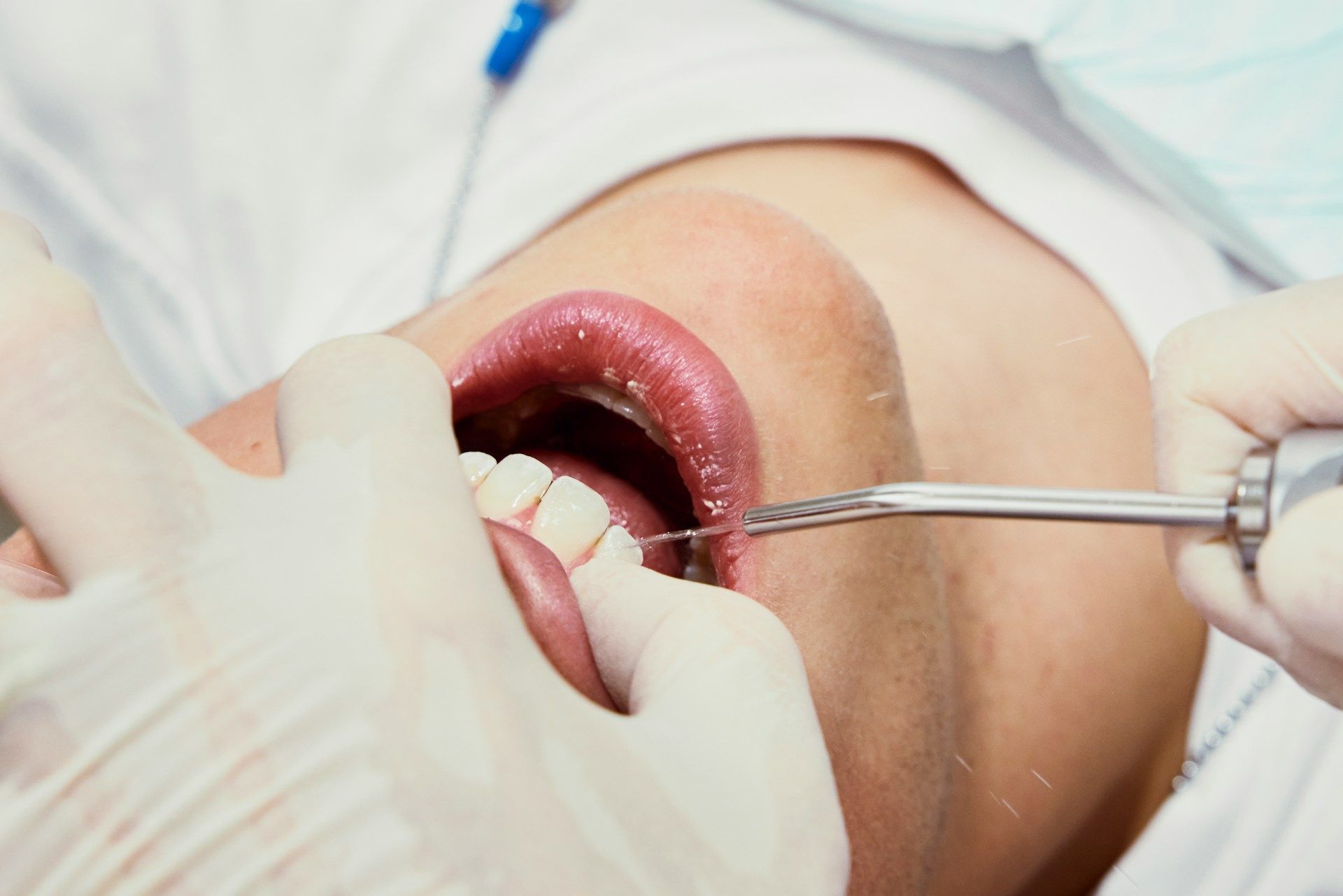
Scaling comes first. This step involves using a tool to carefully scrape away plaque and tartar from the surface of your teeth and under the gumline. Your dentist or hygienist might use an ultrasonic tool that vibrates to break up pieces of buildup, along with manual instruments for more detailed work.
After scaling, they’ll move on to root planing. This process smooths out the roots of your teeth to help gums reattach more easily. That smoother surface makes it harder for bacteria to cling and gives your mouth a better shot at healing and staying healthy.
Depending on how much work needs to be done, your visit may last 45 minutes to an hour per side of the mouth. Some patients have their whole mouth cleaned in one long session, while others break it into two appointments. Either way, expect to feel some pressure and maybe a little vibration from the tools but not pain. The numbness helps take care of that.
After the numbing fades that day, it’s normal to have a bit of sensitivity or soreness where the deep cleaning took place. You might get instructions like using a saltwater rinse or avoiding crunchy foods for a day or two, but this varies depending on your gums.
Aftercare Tips For A Smooth Recovery
Caring for your gums after a deep cleaning is just as important as the cleaning itself. Following simple aftercare steps will help keep discomfort low and prevent infection or further irritation.
Some easy things to do after your appointment:
- Avoid eating until the numbness wears off fully
- Stick to soft foods for the first day
- Rinse gently with warm saltwater if recommended
- Use a soft-bristled brush and clean slowly around tender spots
- Skip tobacco products while your gums are healing
These steps can make a real difference in how your mouth feels during those first few days. Your gums might bleed slightly or feel a little swollen, especially if you haven’t had this level of cleaning before. That’s usually normal. However, if you notice severe pain, swelling that gets worse, or signs of infection like pus or a bad taste, reach out to your provider so they can take another look.
Keeping up with brushing and flossing after the cleaning is important. While the deep cleaning tackles bigger problems below the surface, daily habits are what keep those issues from coming back again. Floss gently at first, especially around the cleaned areas, then build back up to your regular routine as things heal.
A Healthier Smile Starts With Good Care
A dental deep cleaning may sound like a lot when you first hear about it, but once you’ve gone through the process, it often feels like less of a big deal. For people dealing with early gum disease or buildup below the surface, this treatment is a helpful reset that can stop small issues from growing into bigger ones.
The experience may take a little longer than your usual cleaning, but the long-term benefits speak for themselves. Healthier gums, fresher breath, and a lower risk of tooth loss are all part of the payoff. More importantly, it’s a signal that you’re taking care of your health, not just your teeth. That includes staying on top of follow-up appointments and asking questions when something feels off. The more you stay in the loop, the easier it is to keep things on track.
If you’re getting ready for a dental deep cleaning in Lynn, remember that it’s not just about what happens in the chair. The care you give your gums before and after your visit plays a big part, too. With the right info, smart habits, and a team that knows how to help, you’re setting yourself up for a stronger, healthier smile that lasts.
If you’re planning to improve your oral health this season, taking care of your gums is a smart place to start. At Seaport Family Dentistry, we’re here to support every step of that process. To understand how professional cleaning can help prevent long-term issues, take a look at what’s involved in a
dental deep cleaning in Lynn and how it can make a difference in your everyday comfort and care.