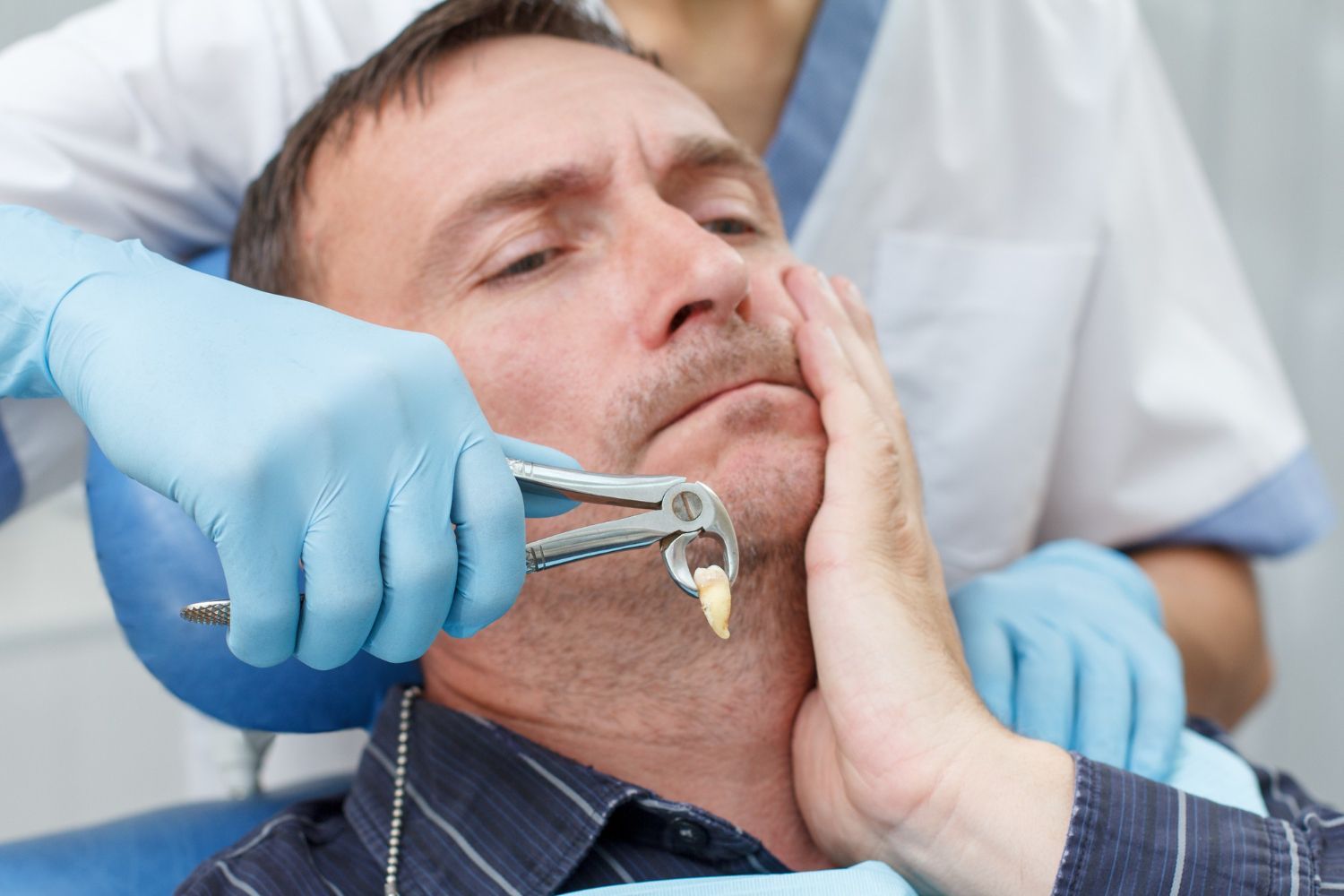
Missing teeth can feel like more than just a cosmetic issue. For many adults, losing even one tooth can change the way your entire mouth functions, sometimes without you even realizing it. Whether it came out from an accident, was removed due to decay, or slowly loosened over time, that empty space does more than just alter your smile. It leaves room for problems that often develop slowly but can last for years.
When you’re missing a tooth, it affects more than how things look. It can change how you chew, how you speak, and how your other teeth handle pressure. That single gap can make your bite uneven or cause healthy teeth to work overtime. Over time, that pressure can wear them down or push them out of place. These changes can happen at any age, so being aware of how missing teeth affect daily life is a step toward protecting your dental health long-term.
How Missing Teeth Impact Oral Health
When you lose a tooth, your first thought might be about how it looks. But the impact on your mouth goes much deeper. Teeth rely on each other for support. That empty space now lets adjacent teeth shift, tilt, or over-erupt, moving vertically beyond where they should. This gradual movement can affect your bite, leading to strain on your jaw or wear on the edges of the remaining teeth.
Here’s how changes from missing teeth can show up:
- Crooked or shifted teeth replace what used to be a straight smile
- Increased food trapping between teeth, leading to more plaque buildup
- Pain or clicking in the jaw due to bite misalignment
- Uneven wear that causes flat spots on teeth
- Stress fractures or small chips from unbalanced chewing
It’s not just about the teeth either. Your gums and jawbone can suffer too. Without a root to support, the bone in that area can start to weaken or shrink. This may lead to gum collapse or looseness in nearby teeth, increasing the risk of additional tooth loss.
If left unaddressed, small issues can snowball into more complicated treatment needs like jaw issues or more extractions. So while it may seem like just one tooth, the effects are anything but isolated. Addressing the gap early can help balance the bite and preserve the rest of your smile.
Effects on Daily Life and Overall Well-Being
Beyond health concerns, missing teeth show up in everyday moments. Eating, talking, and even laughing might start to feel different or less comfortable. For some, this can lead to avoiding social settings or sticking to soft foods, just to get by.
Picture this. You’re at a family event, and someone offers your favorite snack, let’s say crunchy chips or corn on the cob. But you pass on it, not because you’re full, but because chewing feels awkward or painful. That one skipped snack might seem harmless, but if it becomes your new normal, it starts to affect confidence, food choices, and how relaxed you feel in familiar spaces.
Here are a few daily challenges people face with missing teeth:
- Trouble chewing foods that take effort, leading to a more limited or less nutritious diet
- Mumbling or whistling sounds during speech, especially with front tooth loss
- Feeling self-conscious when smiling or taking photos
- Soreness or uneven pressure while eating
- Fatigue in the jaw from adjusting the bite to one side
These effects tend to build up over time. Even if you adapt at first, living long-term with gaps in your smile often means more discomfort down the line. Your body starts shifting how it does everyday things. You might avoid smiling fully or choose silence in group conversations. Restoring your smile can mean getting back to familiar habits that used to come without a second thought.
Long-Term Consequences of Ignoring Missing Teeth
When a tooth is lost and stays missing for too long, the problems don’t stay limited to your bite or your smile. One of the more serious changes takes place below the surface. The jawbone begins to shrink. This happens because your bone needs regular stimulation from chewing to stay strong. Without it, it slowly breaks down, causing your facial structure to shift and gums to recede. Over time, this affects how your face looks and weakens the support system for nearby teeth.
As that bone changes, surrounding teeth lose their foundation. They may start to loosen, shift even more, or become harder to keep clean. These changes increase the risk of gum inflammation and infection. It’s also common for food particles to get trapped in new gaps, creating a perfect setup for tooth decay.
Here’s where things can start to snowball:
- Jaw pain or TMJ symptoms from an unbalanced bite
- Ongoing gum soreness or bleeding during brushing
- Bad breath that sticks around even with regular hygiene
- Difficulty with future dental work due to lowered bone levels
- Higher chance of losing neighboring teeth
Ignoring a missing tooth might feel harmless at first, but it sets off a chain reaction that affects the structure and health of your whole mouth. These issues grow silently until one day, what could have been a simple fix becomes a bigger process. Taking early action makes a huge difference. It often means choosing something simple now instead of something stressful later.
Popular Fix: Dental Bridge Installation in Lynn
A missing tooth doesn’t have to stay missing. One common solution is a dental bridge. It’s a permanent fixture that fills the gap left behind, connecting to the nearby teeth on either side. It’s shaped to fit right where the original tooth was, letting you chew and speak with more ease.
For those in Lynn, dental bridge installation offers several benefits:
- Prevents teeth from shifting out of place
- Brings balance back to how your top and bottom teeth meet
- Restores your ability to eat comfortably
- Keeps your smile looking full and natural
- Doesn’t need to be removed daily like dentures
Bridge installation typically includes prepping the teeth next to the gap and securely placing the new piece in a way that feels both stable and natural. Once it’s set, most patients find that it blends into their bite within days. With normal brushing and regular checkups, a bridge can last for years and continue to work the way it should.
If you're unsure whether it's the right choice, booking a conversation with a trusted provider is a good first move. In many cases, dental bridges offer a straightforward answer that works without digging into more complex options like implants or surgery.
Letting Your Smile Work for You Again
The longer missing teeth go untreated, the more daily strain they place on your mouth and body. From awkward bites to quieter conversations and skipped meals, each one takes something away from how you naturally interact. And while one tooth might seem like a small loss, it doesn’t stay small for long.
Filling the space does more than just close a gap. It brings function and comfort back to your day. It protects the rest of your teeth. It helps your jaw do its job and supports the care you’ve already put into your healthy smile.
If you're dealing with a missing tooth or more than one, there are good solutions close to home. Restoring your smile could be simpler than you think, and it might just help you find ease in routines that haven't felt normal for a while. Keeping your smile complete doesn’t have to be complicated or stressful. With the right support, it can feel like getting a part of yourself back.
If you're ready to restore your smile and feel more confident every day, explore
dental bridge installation in Lynn with Seaport Family Dentistry. Our team is here to help you find the right fit for your needs so you can get back to eating, speaking, and smiling with ease.