Getting a dental bridge can bring big improvements to your daily life. From smoother chewing to a more confident smile, bridges help restore function and fill gaps where natural teeth are missing. But like any dental work, how long a bridge will last depends heavily on how well it’s cared for. That’s why a little daily attention goes a long way in making sure it serves you well for years.
A strong, long-lasting dental bridge isn’t just about avoiding damage. It's about protecting the teeth and gums around it, too. By sticking to some helpful maintenance habits and being mindful of what you eat, you can keep your bridge looking and feeling its best. It's not hard once you establish a few consistent routines, and keeping things simple really helps with consistency.
Daily Oral Hygiene Tips
Your bridge depends on the strength of the teeth and gums that support it, which is why good oral hygiene is the backbone of bridge maintenance. Skipping a day or two might not seem like a big deal, but over time, small habits matter in a big way.
Start with brushing twice a day using a soft-bristle toothbrush. Make sure to brush around the bridge area carefully but thoroughly, reaching along the gumline. Electric toothbrushes can make this easier, giving you more even pressure and coverage.
Flossing is still important, but the technique is a little different when you have a bridge. Using a floss threader or special dental picks can help you get underneath the bridge to keep it clean. This step prevents plaque from building up along the edges, where it can be harder to notice.
To round things out, an alcohol-free antimicrobial mouthwash is helpful for cutting down bacteria that brushing and flossing might miss. Rinsing daily can also reduce inflammation and keep your breath fresher.
Here’s a quick routine to follow each day:
1. Brush gently for two minutes, spending extra time near the bridge
2. Use a floss threader or a water flosser to clean between and beneath the bridge
3. Rinse with mouthwash to control bacteria and reach tucked-away spots
Even with careful brushing and flossing, food particles can sometimes sneak into areas that are hard to reach. If something feels off near your bridge, like a strange taste, smell, or tenderness, it’s worth noting and mentioning at your next dental visit. Staying one step ahead helps avoid bigger issues down the road.
Foods to Avoid
One of the easiest ways to damage a dental bridge is by eating foods that are too sticky, crunchy, or hard. Bridges are strong, but they aren’t built for the same level of pressure as natural teeth. Things like caramel, chewing gum, and sticky candies can pull at the edges of your bridge or get stuck in places that are hard to clean. That buildup can turn into plaque fast if not removed properly.
It’s not just sticky treats that cause problems. Hard and crunchy foods like ice, raw nuts, and popcorn kernels can crack or even loosen parts of your bridge. Even biting into foods like thick, crusty bread or hard pretzels can be risky depending on how your bridge was placed and what supports it.
To keep your bridge in good shape, make smart swaps that still satisfy your cravings. For example, try yogurt instead of ice cream bars with nuts, or go for cooked veggies over raw ones when possible. Keeping things simple at mealtime reduces your chances of a sudden issue.
A few more tips to help protect your bridge at mealtimes:
- Cut food into smaller pieces to reduce biting pressure
- Avoid chewing directly on your bridge when possible
- Skip anything that feels too hard, sticky, or chewy when you take a bite
- Drink plenty of water with meals to help rinse food residue away
Making mindful food choices day by day is an easy way to lower the stress on your dental bridge without making big sacrifices to your diet. Enjoying food shouldn’t cause worry, and with small changes, it doesn’t have to.
Regular Dental Check-Ups
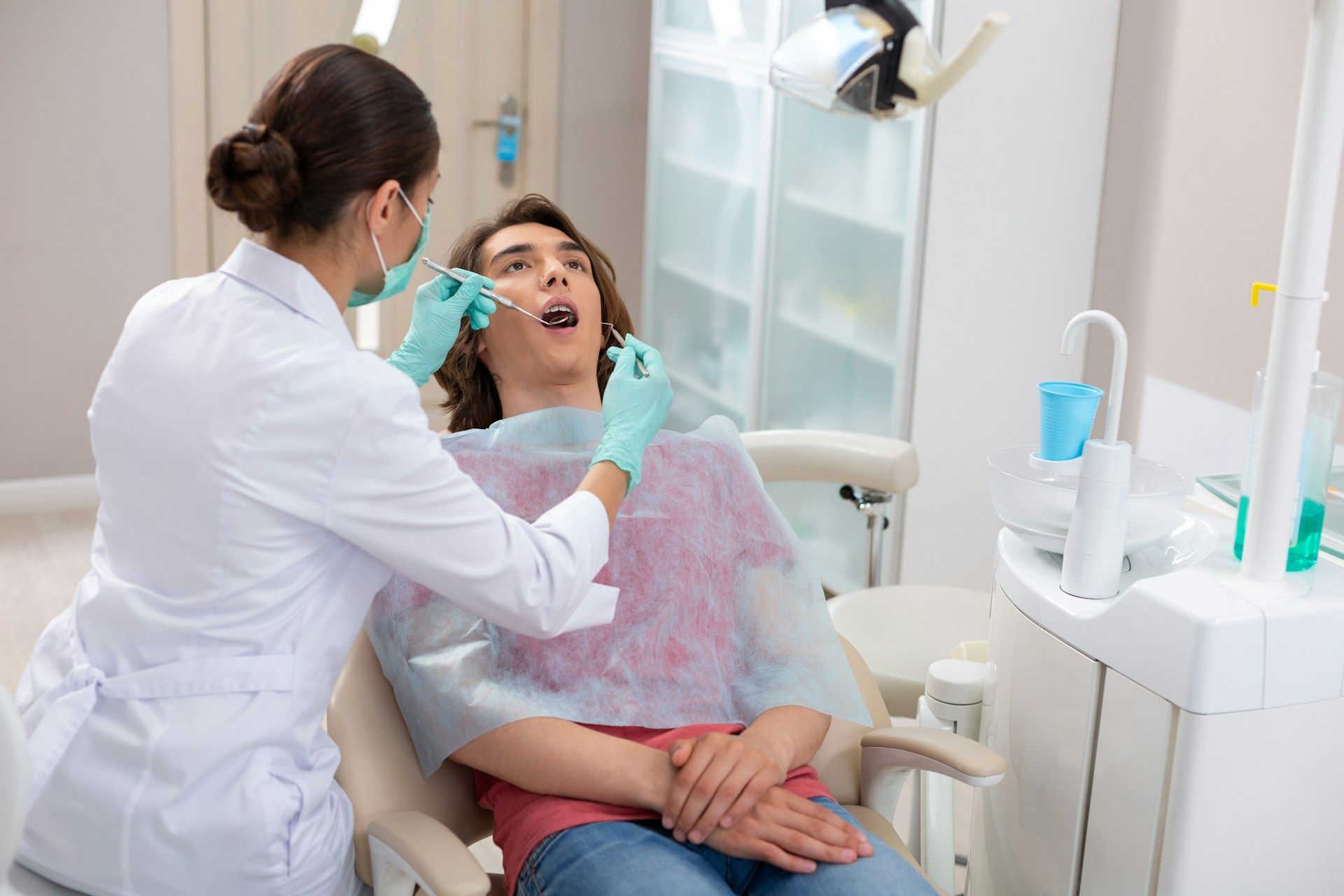
Daily care is key, but regular dental visits play just as big a role in keeping your bridge in great shape. Even when everything feels fine, small problems like loosening or decay on nearby teeth can sneak up without warning.
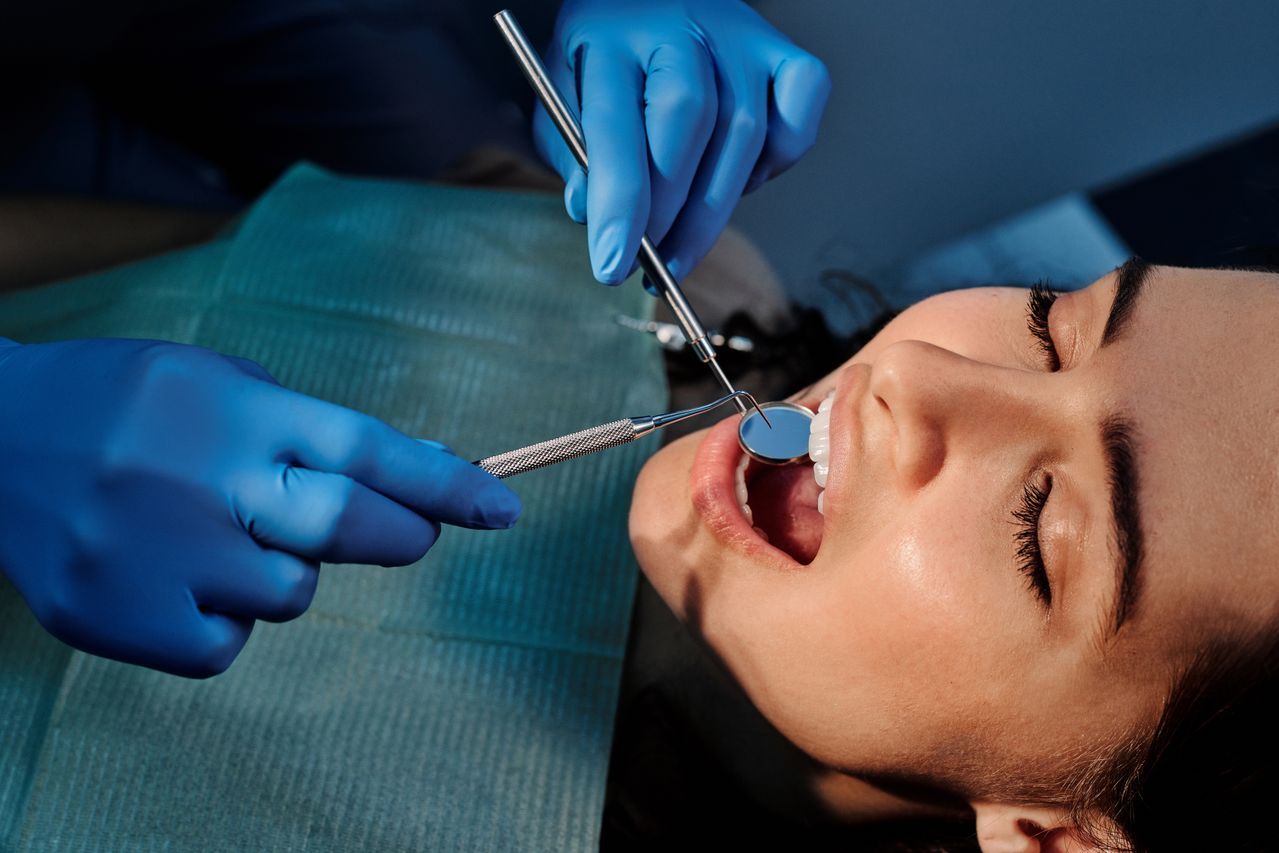
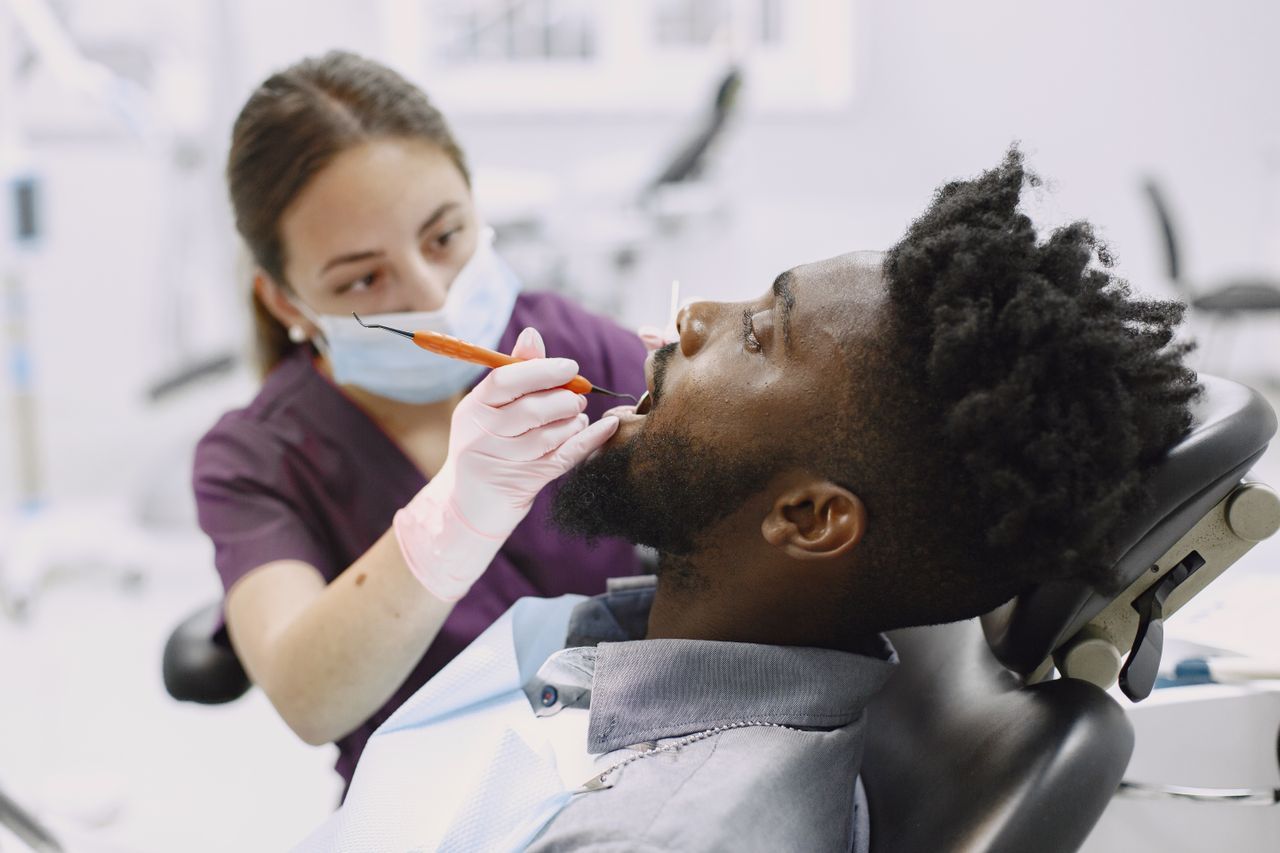
Aim for a dental check-up every six months, or sooner if you’re seeing signs of discomfort. At these visits, your dentist can take a closer look at how well the bridge is holding up and whether the tissue surrounding it is staying healthy. Professional cleanings can remove bacteria that your toothbrush or floss might miss, especially in the tiny spaces between and under the bridge.
Sometimes, early signs of trouble, like tiny cracks in the bridge material or shifting in the nearby teeth, are things only a trained eye can spot. Catching these early helps save time, money, and discomfort down the line.
Your routine appointments might include:
- Visual inspection of the bridge and surrounding teeth
- X-rays to look underneath and around the bridge when needed
- Deep cleaning to clear out hidden plaque
- Adjustments if the bite feels off or the bridge loosens
Pairing your at-home habits with regular check-ups is the strongest combo for long-term success. A dental bridge that’s looked after well can last for many years, and check-ins help pave that path with fewer surprises.
Caring for Your Dental Bridge During Seasonal Activities
Every season brings changes, holiday meals, weekend getaways, colder days, and they can quietly throw off your routine. With some thoughtful planning, it's easier to keep your dental care on track when you’re traveling or adjusting your schedule.
During the holidays or while on the road, pack a small dental kit that includes your toothbrush, floss threaders, and a travel-sized mouthwash. Having the right tools ready makes it less likely that you’ll skip important steps, even after a long day. If you wear other dental appliances, like night guards, bring their case along and keep them clean.
In colder months, people in Lynn may drink more hot beverages. Sipping tea, coffee, or hot cocoa can feel soothing but might also trigger heat sensitivity around your bridge. Avoid sipping very hot drinks too fast. Try mixing in cooler drinks throughout the day to keep your smile comfortable.
To stay consistent through the colder or busier months:
- Brush and floss at the same time each day to reinforce your habit
- Carry travel-sized hygiene tools for convenience
- Be mindful of tough holiday foods that could damage bridgework
- Drink water regularly, even if you don’t feel as thirsty in cold weather
Staying on track is easier when your dental routine fits your lifestyle. A few small efforts make it easier to stick with your care habits, no matter how busy or chilly things get.
How to Help Your Bridge Go the Distance
By sticking to a solid care routine and paying attention to what your bridge faces each day, you’re setting yourself up for long-term comfort. It’s not about perfection, just steady habits that protect the work you’ve already invested in.
Make brushing, flossing, and rinsing second nature. Avoid risky foods that can hurt your dental bridge, and visit your dentist regularly for a deeper check than you can do at home. Your everyday effort can keep those hard-to-reach spots free of buildup and save you from more serious repairs.
When life speeds up or the seasons shift, find small ways to stay on track. A bridge can give you confidence and comfort, but it’s your care that makes it last. Even a bridge that's a few years old can still do its job well when it’s treated with just a bit of consistent effort.
If you’re looking for reliable care for
dental bridges in Lynn, Seaport Family Dentistry is here to help you protect your smile and keep your bridge feeling great for years to come. Let our team support your routine with expert care and guidance that fits your lifestyle.